
Sex
The Complete Guide To Lube: Everything Men Need to Know


Personal lubricant is one of the most underrated tools in any man’s intimate wellness arsenal. Whether you’re flying solo or playing with a partner, the right lube can transform an ordinary session into something extraordinary. Yet many guys overlook this simple addition that can dramatically improve comfort, sensation, and overall satisfaction.
This comprehensive guide breaks down everything you guys need to know about choosing and using personal lubricants, from understanding different formulations to finding the perfect product for your specific needs.
Why Every Guy Should Use Lube
Let’s cut through the misconceptions. Using lubricant isn’t a sign that something’s wrong, it’s a game-changer that smart guys incorporate into their intimate lives.
Enhanced Sensation and Pleasure
Quality lubricant amplifies sensation during all forms of intimate activity. The reduced friction allows you to focus on pleasure rather than discomfort, leading to more intense and prolonged experiences. For solo sessions, the right lube can make the difference between a quick release and a genuinely satisfying experience that you can extend as long as you want.
Reduces Friction and Prevents Discomfort
Even when natural lubrication is present, it’s often not sufficient enough for extended sessions or certain activities. Additional lubricant prevents uncomfortable chafing and irritation that can occur during prolonged contact. This is especially important for anal play, where the body doesn’t produce natural lubrication at all.
Improves Condom Performance
When used correctly, lubricant can actually improve a condom’s effectiveness by reducing the likelihood of breakage due to friction. Furthermore, a small amount applied inside the tip of the condom can also enhance sensation for the wearer without compromising safety – talk about a win-win situation.
Essential for Anal Play
Since the anal area doesn’t produces any natural lubrication, quality lube is absolutely non-negotiable for safe, comfortable anal activity. Attempting anal penetration without proper lubrication can cause tears, pain, and potential injury. There’s simply no way around it, anal play requires generous amounts of lubricant.
Benefits During Partner Play
Many women can experience vaginal dryness at various points in their lives due to hormonal changes, stress, medications, or menopause. Using lubricant shows consideration for your partner’s comfort and can make intimate experiences more enjoyable for both of you. It’s not about her body “not working right”, it’s about optimizing the sexual experience for maximum pleasure.
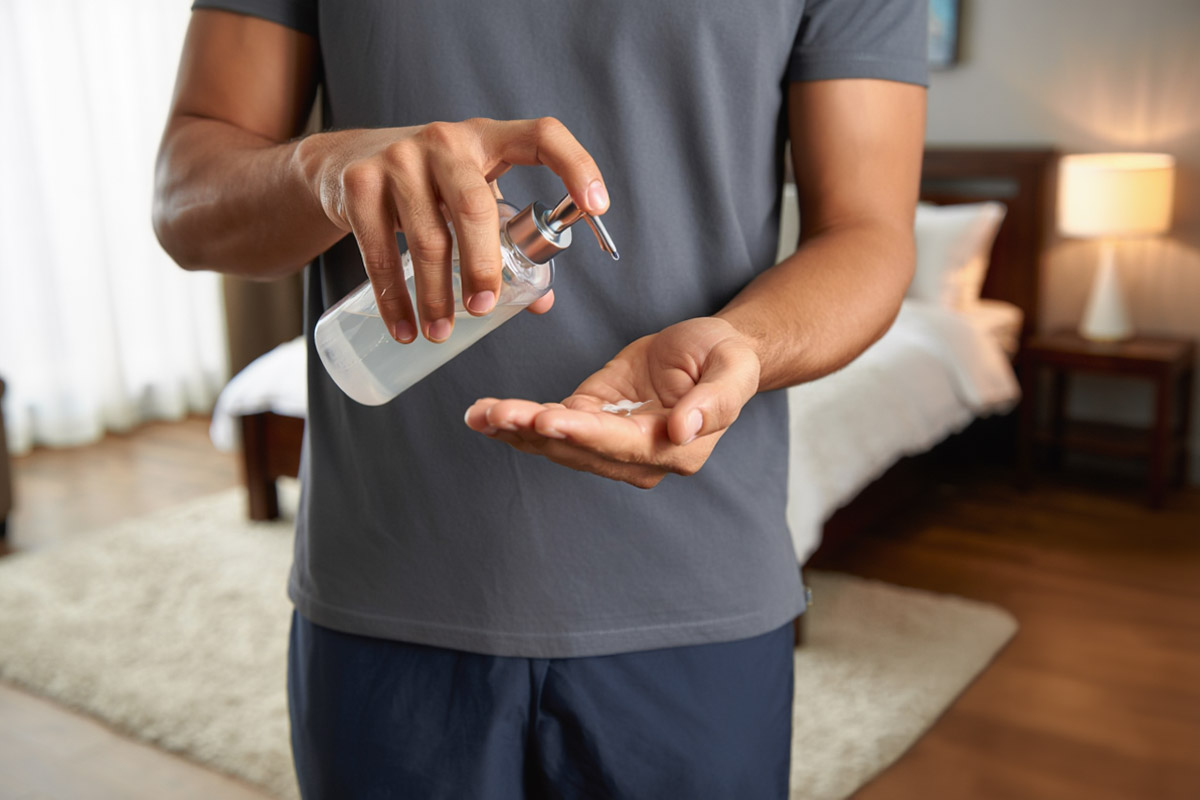
Understanding Different Types of Lubricants
Now it’s important to understand that not all lubes are created equal. Each type has specific properties that make it better suited for certain activities. Understanding the differences will help you choose the right product for your needs.
Water-Based Lubricants: The Versatile Choice
Water-based formulas are the most popular type of personal lubricant, and for good reason. They’re the Swiss Army knife of lubricants—versatile, safe, and effective for most situations.
Key Advantages: Water-based lubes are safe with all condom types and sex toy materials, making them the safest all-around choice. They’re easy to clean with just water, won’t stain sheets or clothing, and are generally safe for sensitive skin. Many brands offer pH-balanced options specifically formulated for vaginal use, which helps maintain healthy vaginal flora. They’re also the most affordable option, making them perfect for first-time lube users.
Important Considerations: The main drawback is that water-based lubes may require more frequent reapplication than other types. They can dry out during extended sessions and may become slightly sticky as they absorb into the skin. Some of the formulas contain glycerin or parabens, so always check labels if you or your partner have sensitivities.
Best For: General partnered sex, use with silicone toys, men with sensitive skin, and oral sex (many flavored varieties available).
Pro Tip: Start with a small amount and add more as needed. For vaginal intercourse, apply to both the penis and vulva. You can reactivate water-based lube with a little water or saliva if it starts to dry during use.
Silicone-Based Lubricants: Long-Lasting Performance
Silicone lubricants offer superior staying power and an incredibly silky texture that many users prefer for its more natural feel.
Key Advantages: Silicone lubes are extremely long-lasting, often good for multiple sessions without any need for reapplication. They provide superior slickness and glide compared to water-based options. They’re completely waterproof, making them perfect for shower or bath play. Silicone lubes are hypoallergenic and safe for sensitive skin, they don’t dry out or get sticky, and they’re safe with latex and polyurethane condoms.
Important Considerations: The biggest limitation is that silicone lube is not compatible with silicone sex toys, as it can degrade the material over time. They require soap and water for cleanup (water alone won’t remove them), cost a bit more than water-based options, and can potentially stain certain fabrics if not cleaned promptly.
Best For: Marathon sessions, anal sex (highly recommended due to longevity), water play in the shower or bath, men who want minimal reapplication, and use with non-silicone toys like glass, metal, or hard plastic.
Pro Tip: A little goes a long way with silicone lube. Start with less than you think you need, because you can always add more, but using too much can make things way too slippery to maintain good friction.
Hybrid Lubricants: Best of Both Worlds
Hybrid lubes combine water and silicone for a unique formulation that attempts to capture the benefits of both types. They’re long-lasting like silicone but easier to clean than pure silicone formulas. Many hybrid lubes are safe with silicone toys (though always check the specific product label), and they’re more slippery than water-based lubes alone while remaining condom-compatible.
The main drawback is cost; hybrid lubes are typically more expensive than basic water-based options. They also may not be quite as long-lasting as pure silicone lubes, and formulations can vary significantly between brands.
Best For: Men who want longevity but easy cleanup, those who use both silicone and non-silicone toys, and partners who prefer different lube characteristics.
Oil-Based Lubricants: Natural but Limited Use
Natural oils like coconut oil, almond oil, and specialized oil-based intimate products have gained popularity, but they come with serious limitations that you need to understand.
Key Advantages: Oil-based lubes use very natural and simple ingredients, they’re extremely long-lasting, and they work excellently for male masturbation. They can double as massage oil for sensual experiences and are often very affordable if using food-grade oils.
Critical Warnings: Never use oil-based products with latex or polyisoprene condoms, as they cause rapid degradation and breakage, which can lead to pregnancy or STI transmission. Oil-based lubes can also disrupt vaginal pH and potentially cause infections in partners. They’re difficult to clean from fabrics and can cause permanent staining. They’re not compatible with many sex toy materials, and they can clog pores if used frequently on skin.
Best For: Male masturbation when not using condoms, sensual massage, and external use only. If you need internal use or condom compatibility, choose a different type.
Specialty Lubricants for Specific Needs
Beyond these basic categories, there are several specialty formulations that address specific activities or preferences.
Anal Lubricants
Anal-specific lubes are substantially thicker than standard lubes to provide extra cushioning and longer-lasting protection. The anal sphincter is a rather tight muscle ring that requires significant lubrication to allow comfortable penetration. Thicker formulas stay in place better and provide more protective cushioning throughout the experience.
These lubes are available in both water-based and silicone-based formulations. Some include mild relaxing agents, though you should approach numbing formulas with caution.
Important Warning About Numbing Lubes: Some anal lubes contain numbing agents like benzocaine or lidocaine. While these might seem helpful for beginners, they can actually mask pain that signals injury or a problem. Pain is your body’s warning system telling you to slow down, add more lube, or adjust your approach. If anal play hurts, you need more preparation, more lubricant, or a different technique – not numbness that hides potential damage.
Flavored Lubricants
Designed specifically for oral sex, flavored lubes make the experience more enjoyable for the giver while adding variety to your intimate repertoire. Popular lube flavors range from fruits (strawberry, watermelon, green apple) to desserts (salted caramel, vanilla, chocolate) to cocktails (mojito, piña colada).
Most flavored lubes are water-based and can be safety ingested. However, avoid using heavily flavored lubes internally for vaginal sex, as the flavoring agents and sweeteners can disrupt vaginal pH and potentially cause yeast infections. Choose sugar-free options when possible to prevent stickiness and reduce infection risk.
Warming and Cooling Lubricants
These sensation-enhancing lubes create temperature play effects that can add exciting new dimensions to your intimate experiences. Warming lubes typically contain ingredients like capsaicin (from chili peppers) that create a gentle heating sensation. Cooling lubes use menthol or peppermint to produce a refreshing, tingling feeling. Some formulas activate with breath or friction, adding an interactive element.
Best Practices: Always test warming or cooling lubes on your inner wrist first to gauge the sensitivity and intensity. Start with a very small amount, as these sensations can be quite intense, especially on sensitive genital tissue. Avoid these products entirely if you or your partner has particularly sensitive skin or a history of reactions to topical products.
Organic and Natural Lubricants
For men/couples concerned about ingredients and environmental impact, organic & natural lubes are just what you’re looking for. These products contain fewer synthetic ingredients, are often pH-balanced for vaginal health, and are usually free from parabens, glycerin, colors, and fragrances. They’re better for sensitive skin and are often produced with environmentally conscious practices.
The trade-offs include higher prices, potentially shorter shelf lives, and the fact that some formulas require refrigeration. However, for those with sensitivities or strong preferences for natural products, these options are worth the extra investment.
Choosing the Right Lube for Your Needs
With so many options available, selecting the right lube for specific activities will optimize your sexual experience.
For Solo Male Masturbation
Best Choices: Silicone-based lubes offer the best feel and require minimal reapplication, making them ideal for longer solo sessions. Thick water-based or hybrid lubes also work well and are easier to clean up. Oil-based products are fine if you’re not using a condom afterward.
Why These Work: You want something that lasts and feels great without having to constantly reapply. Silicone provides the most realistic feel and maintains its slickness throughout your session. If you’re using a male sex toy like a stroker or masturbator, consider investing in a masturbator-specific lube (typically water-based) formulated for optimal performance with these devices.
For Vaginal Intercourse
Best Choices: Water-based lubes, especially pH-balanced formulas designed for vaginal use, are the safest for vaginal health. Hybrid lubes offer a good alternative with longer staying power. Organic lubes are good if your partner has sensitive skin or concerns about ingredients.
Why These Work: Water-based lubes are safest for vaginal health and work with all barrier methods. pH-balanced formulas help maintain healthy vaginal flora and reduce the risk of infections or irritation.
Partner Consideration: Many women experience dryness, whether due to hormonal changes, medications, stress, or simply the natural variation in arousal response. Having quality lube readily available shows you care about her comfort and pleasure, and it removes any potential awkwardness about “needing” it.
For Anal Play
Best Choices: Thick silicone-based lubricants are the gold standard for anal play. Specialized anal water-based formulas provide a good alternative if you’re using silicone toys. Thick hybrid formulas can also work well.
Why These Work: The anus doesn’t self-lubricate at all, so you need maximum staying power and cushioning. Silicone-based lubes are ideal because they will last through entire sessions without drying out or requiring reapplication.
Golden Rule: Use more lube than you think you need, then add even more. Seriously, there’s no such thing as too much lube for anal play. Extra lubrication prevents discomfort, reduces injury risk, and makes the experience far more enjoyable for everyone involved.
For Shower or Bath Play
Best Choice: Only silicone-based lubricants work effectively in water.
Why This Is So: Water washes away water-based lubes almost immediately, leaving you with no lubrication at all. Only silicone formulas remain slippery when wet, maintaining their effectiveness throughout your aquatic adventures.
Important Safety Warning: Be extremely careful about slip hazards. Silicone lube on tile, tub surfaces, or shower floors can create dangerously slippery conditions. Consider placing a non-slip mat and being very conscious of your footing.
For Use with Sex Toys
With Silicone Toys: Use only water-based or hybrid lubes that are specifically labeled as silicone-toy safe. Never use silicone lube on silicone toys: the chemical interaction causes surface degradation, creates a permanently sticky texture, and can irreversibly damage expensive toys.
With Other Materials: Glass, metal, and hard plastic toys are compatible with any type of lube. For TPE, TPR, and realistic materials, water-based is generally the safest choice, though always check the manufacturer’s recommendations.
How to Use Lube Properly
Getting the most from your lubricant requires proper application techniques and timing.
Application Guidelines for Different Activities
For Vaginal Sex: Apply a generous amount to the penis, focusing particularly on the head and shaft where contact will be most significant. Apply additional lube to the vulva and vaginal opening. If using water-based formulas, be prepared to reapply as needed during extended sessions. Don’t be shy about using what seems like a lot – more is almost always better, and you can always use less next time if it feels excessive.
For Anal Play: Apply liberally to the anus and just inside the opening. This initial application is crucial for comfort. Coat the penis or toy completely with a thick layer of lubricant. Start with more than you think you need. Seriously guys, use way more than feels intuitive. Reapply immediately if you feel any friction or resistance whatsoever. Take your time with application and don’t rush the process.
For Male Masturbation: Apply lube to the penis head and work it down the shaft, ensuring even coverage. Start with a moderate amount and add more as desired based on your preferred level of slip. If using water-based formulas, reapply as needed. When using strokers or male toys, apply lubricant both inside the sleeve and on yourself for optimal glide and sensation.
For Oral Sex: Apply flavored lube directly to the area being stimulated. Start with a small amount; too much can be overwhelming and detract from the experience. Choose sugar-free options when possible to prevent stickiness and maintain a pleasant taste throughout.
Condom Use Tips
Proper Technique: Add a small drop of lube inside the condom tip before rolling it on, as this enhances sensation for the wearer significantly. Apply additional lubricant to the outside after the condom is properly positioned. Only use water-based or silicone-based lubes with latex condoms. Reapply as needed to maintain comfort and reduce breakage risk.
Never Use These With Latex Condoms:
- Oil-based products of any kind
- Petroleum jelly (Vaseline)
- Lotions or hand creams
- Butter or margarine
- Baby oil or massage oils
- Body lotions
These substances rapidly degrade latex, causing microscopic holes or complete breakage that compromises protection against pregnancy and STIs.
How Much Is Enough?
General Guidelines: For most applications, there’s genuinely no such thing as too much lube. Start with approximately a quarter-sized amount for vaginal sex, use significantly more for anal play (think several tablespoons), and add more whenever you feel any friction whatsoever. Water-based lubes need more frequent reapplication than silicone formulas.
Pro Tip: Keep your bottle of lube within easy arm’s reach during intimate sessions – on the nightstand, shower caddy, or wherever you can grab it without interrupting the flow. This makes reapplication seamless and keeps the focus on pleasure rather than logistics.

Common Lube Mistakes to Avoid
Learning from other people’s mistakes can save you discomfort, embarrassment, and potential health issues.
Using Household Substitutes
Never Use These As Lube:
- Hand lotion (contains fragrances and irritants inappropriate for mucous membranes)
- Shampoo or soap (extremely drying and irritating to sensitive tissue)
- Petroleum jelly (degrades condoms, difficult to clean, disrupts vaginal pH)
- Butter or cooking oils (infection risk, condom incompatibility, messy)
- Saliva (insufficient lubrication, bacteria concerns, dries quickly)
Why It Matters: These household substitutes can cause infections, severe irritation, condom failure, and serious discomfort. Quality personal lubricant is inexpensive – a bottle costs less than a pizza and lasts for many encounters. There’s simply no good reason to risk your health or your partner’s by using inappropriate alternatives.
Not Checking Expiration Dates
The Issue: Yes, lubricants do expire, especially organic and natural formulas. Expired lube can lose its effectiveness, change in consistency, potentially harbor bacteria, and cause unexpected irritation. The preservatives that prevent bacterial growth degrade over time, and the base ingredients can separate or break down.
Best Practice: Check expiration dates before purchasing and periodically review products in your collection. Most lubes last 1-3 years when stored properly, but don’t assume they’re good forever. When in doubt, throw it out, as a new bottle is cheaper than treating an infection.
Using the Wrong Lube with Toys
The Damage: Using silicone lube on silicone toys may causes irreversible damage through a chemical interaction. The silicone in the lube breaks down the silicone in the toy, causing surface degradation and melting, permanent sticky or tacky texture, discoloration, and complete destruction of expensive toys.
Remember: Silicone toys require water-based lube only. Other materials like glass, metal, and hard plastic are compatible with any lube type, but always verify with the manufacturer when possible.
Skipping the Patch Test
Why Testing Matters: Even quality, hypoallergenic lubes can cause reactions in sensitive individuals. Everyone’s body chemistry is different, and what works perfectly for one person might cause irritation for another.
How to Properly Test: Apply a small amount to your inner wrist or inner elbow (areas with sensitive skin). Wait a full 24 hours and check for any redness, itching, bumps, or irritation. If your skin looks clear, test a small amount on external genital skin before internal use. This is especially critical for warming/cooling lubes, flavored products, new brands, or if you have a history of sensitive skin or allergies.
Not Reading Ingredient Labels
Problematic Ingredients to Watch For:
- Glycerin: Can promote yeast infections in some women
- Parabens: Preservatives that some people prefer to avoid due to health concerns
- Propylene glycol: Can cause irritation in sensitive individuals
- Nonoxynol-9: A spermicide that can cause significant irritation and doesn’t protect against STIs
- Numbing agents in anal lubes: Mask pain that signals you need to stop or adjust
Better Choices: Look for products specifically labeled as glycerin-free, paraben-free, pH-balanced, hypoallergenic, and organic or natural if ingredient purity is important to you.
Storage and Shelf Life
Store lube in a cool, dry place away from direct sunlight. Keep bottles tightly closed and avoid extreme temperatures. Some organic lubes require refrigeration, so check those labels. Pump dispensers are more hygienic than squeeze bottles.
Replace lube if you notice changes in color, smell, or texture, separation that doesn’t resolve with shaking, clumping, or if it’s past its expiration date.
Shelf life by type:
- Water-based: 1-3 years
- Silicone-based: 3-5 years
- Oil-based: Varies by product
- Organic/Natural: 6 months to 2 years (often requires refrigeration)
Top Lube Recommendations by Category
Based on quality, performance, and value, here are some standout products worth considering:
Best Overall Water-Based: Lovehoney Enjoy Water-Based Lubricant delivers very reliable performance at an excellent price point. The 8.5 oz bottle provides long-lasting value, and it’s compatible with all condoms and toys.
Best Premium Silicone: Sliquid Silver Luxury Silicone Lubricant is worth the investment for its exceptional longevity and hypoallergenic formula. A small amount goes a long way, making it cost-effective despite the higher initial price.
Best for Anal Play: Lovehoney Discover Water-Based Anal Lubricant offers users the thick consistency needed for comfortable anal play at an affordable price. For silicone fans, Sliquid Sassy provides superior staying power.
Best Flavored: System JO Gelato Salted Caramel brings dessert-inspired flavor to oral play, while Lovehoney Strawberry Flavored Lubricant offers a classic fruit option that most people enjoy.
Best Natural/Organic: Sliquid Organics Natural H2O combines certified organic ingredients with effective performance. It’s vegan, glycerin-free, and ideal for sensitive skin.
Best Sensation Enhancer: Tracey Cox Supersex Orgasm Gel provides gentle warming and tingling that enhances arousal without overwhelming sensation.
Best Hybrid: Lovehoney Delight Silk Lubricant combines water and silicone for long-lasting performance with easy cleanup—a great middle-ground option.
Best Luxury Silicone: pjur Original Silicone Lubricant is a premium German-made formula that’s exceptionally long-lasting and works beautifully for extended sessions.
Lube and Sexual Health
Vaginal Health Considerations: The vagina naturally maintains a pH of 3.5-4.5. Choose pH-balanced lubes for vaginal use. Some women are sensitive to glycerin and may experience yeast infections—try glycerin-free formulas if your partner has recurring issues. Look for iso-osmotic formulas if irritation is a concern, as high-osmolality lubes can draw water from surrounding tissue.
Preventing Infections: Never introduce contaminated lube into the body. Pour or pump fresh lube rather than re-dipping fingers, don’t share bottles between anal and vaginal use, clean hands before application, and store properly to prevent bacterial growth.
STI Prevention: Lubricant does not prevent STIs. Always use condoms for protection. Some lubes can make condoms more effective by preventing breakage, but never use oil-based products with latex condoms.

Frequently Asked Questions
Can I use lube every time I have sex?
Absolutely, and many sex educators actually recommend it. There’s no medical reason to limit lube use. In fact, regular use can prevent friction-related irritation and micro-tears that might increase infection risk. Using lube consistently is a smart sexual health practice, not a sign of any problem.
Will using lube decrease sensation?
Quality lubricant should enhance sensation, not diminish it. If you’re experiencing reduced sensation, you might be using too much for your preference, or the formula might not be right for you. Try using less or switching to a different type. For example, silicone tends to maintain more friction than very slippery water-based formulas.
Is it weird for a guy to have lube?
Not at all. Owning lubricant shows you care about sexual health, comfort, and pleasure – it’s a sign of sexual maturity and consideration, not desperation. Most sexually active adults keep lube on hand, and your partners will appreciate that you’re prepared and thoughtful.
Can lube help with premature ejaculation?
While lube itself doesn’t directly delay orgasm, the reduced friction can sometimes help men last longer by decreasing the intensity of stimulation. For more effective PE management, consider specialized delay sprays or desensitizing creams used in combination with lube for optimal results.
Do I need different lubes for different activities?
Not necessarily, but having a few options optimizes each experience. At minimum, consider keeping a quality water-based lube for general use and condom compatibility, a thick silicone or specialized formula for anal play, and possibly a flavored option for oral activities. One bottle can work for everything, but specialized products do perform better for specific uses.
Can I use lube during conception efforts?
Most regular lubricants can interfere with sperm motility, potentially reducing your chances of conception. If you’re actively trying to conceive, invest in fertility-friendly lubricants specifically designed not to harm sperm. These products are formulated to match the pH and consistency of fertile cervical mucus.
Is more expensive lube worth it?
Generally speaking, yes. Premium lubricants typically offer better ingredient quality, superior feel and performance, longer-lasting formulas, better compatibility with sensitive skin, and more effective formulations overall. The difference between a $5 drugstore bottle and a $15-20 premium product is usually immediately noticeable in texture, longevity, and comfort. So open that wallet and consider it an investment in pleasure and comfort.
Can I use lube if my partner is on birth control?
Yes, absolutely. Lube doesn’t interfere with hormonal birth control pills, patches, rings, IUDs, or properly used barrier methods like condoms (provided you use compatible lube types—remember, never oil-based with latex).
What’s the best lube for sensitive skin?
Look for organic or natural lubes with minimal ingredients, products with hypoallergenic labels, glycerin-free and paraben-free options, pH-balanced formulas designed for sensitive tissue, and products with the shortest possible ingredient lists. Brands like Sliquid Organics, Good Clean Love, and Aloe Cadabra specialize in sensitive-skin formulas.
The Bottom Line
Personal lubricant isn’t just nice to have, it’s essential for great sex and solo pleasure. The right lube enhances sensation, prevents discomfort, and shows consideration for your partner.
Don’t settle for inadequate lubrication or household substitutes. Invest in quality products designed for intimate use. Start with a quality water-based lubricant for general use, add a silicone option for longer sessions and water play, and consider specialty formulas as you explore different activities.
Most importantly, lose any stigma you have about lube use. Sexual wellness is health, and using the right tools shows maturity. Whether solo or with a partner, lube makes everything better.
This guide is for informational purposes only and does not constitute medical advice. Consult healthcare providers for personal medical concerns. If you experience persistent pain, irritation, or unusual symptoms, seek professional medical attention.



Southwest Airlines Facing Backlash After Getting Rid Of Open Seating

Samsung Galaxy S26: Smarter AI, 200MP Camera, New Privacy Display

Indian Motorcycle Drops Stunning 125th Anniversary Collection

Polaris Slingshot’s 2026 Signature Edition Is An Absolute Head-Turner

TAG Heuer’s New F1 Smartwatch Is Built For Race Fans

The Mandalorian and Grogu Trailer Is Here, And It Looks So Good!
Southwest Airlines Facing Backlash After Getting Rid Of Open Seating

2027 Audi RS5 PHEV Is What Happens When Engineers Have No Limits

Apple Is Building Three AI Wearables, And Development Is Speeding Up

Krispy Kreme and OREO Team Up For New Limited-Edition Doughnut Drop

Watch The Fast And Furious Trailer For ‘Hobbs & Shaw’

A Dance-Off For The Ages Broke Out At Monday Night’s 76ers Game

Netflix Drops ‘Black Mirror: Bandersnatch’ Trailer Ahead Of Release Tomorrow

Former NASA Engineer Gets Revenge On Package Thief With Glitter Bomb

Recent Comments