Guy Stuff
6 Ways A Walking Holiday Can Improve Mental Health

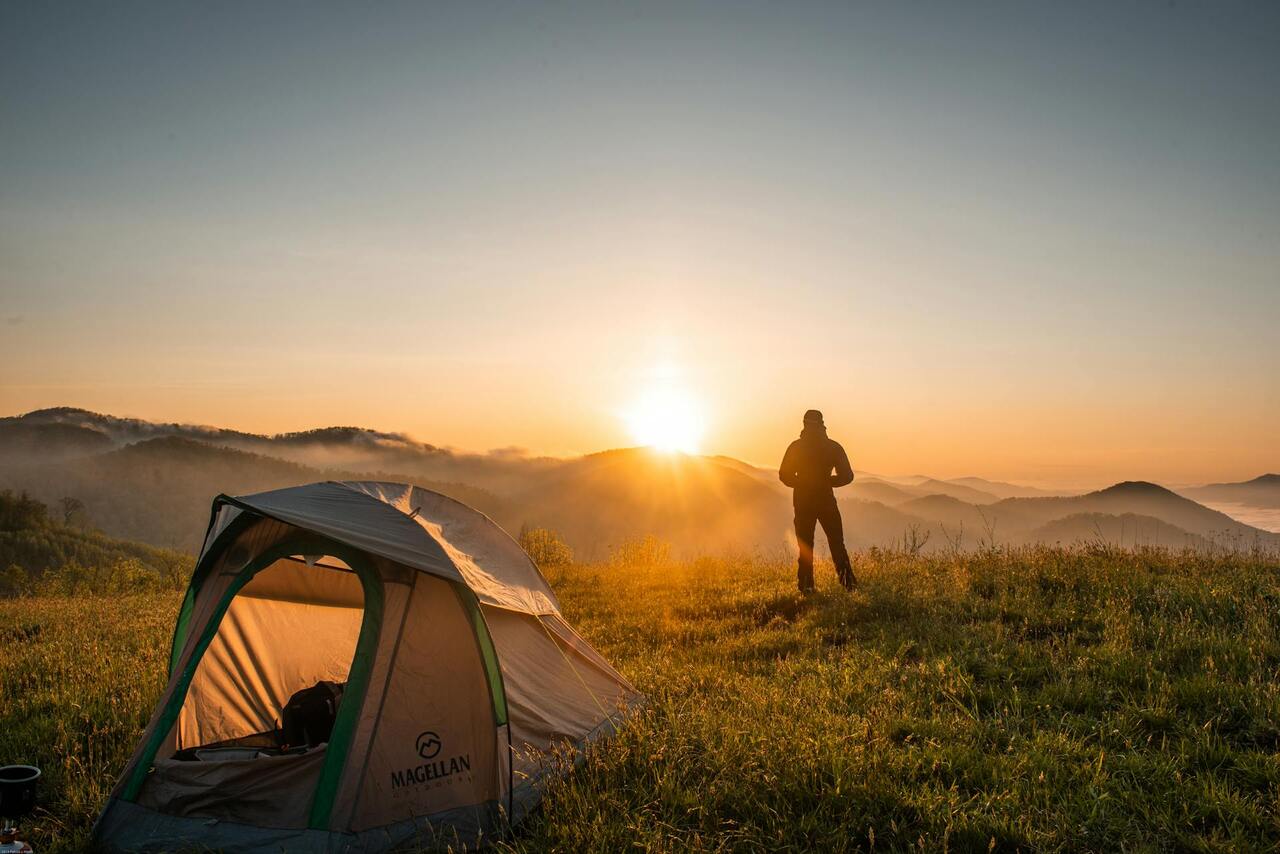
When life feels overwhelming, we often get told to go for a walk. Putting one foot in front of the other for hours on end is surprisingly impactful, but what if we take this to the extreme with a walking holiday?
It forces you to disconnect from digital stress
Going for a short walk can mean being back on your phone an hour later. But with a walking holiday, you’re spending a weekend, or even a whole week or two, away from scrolling, emails and general screen time. Yes, you can catch up with messages or reels briefly in the evening, but you’ll find the addictive habit is broken, and actually, you no longer desire to do it when you do get an opportunity.
Solitude offers space for mental processing
Many men lack safe spaces to process emotions and thoughts – that’s actually why fishing is so popular. A walking holiday is another way to achieve this, as it can provide solitude if you want to. Without pressure to socialize, you can essentially spend time by yourself thinking things through and reflecting on your life – or where you want to be. The walking itself creates rhythm that is brilliant for letting you think.
Physical activity releases natural mood boosters
Walking releases endorphins, serotonin, dopamine, and all sorts of goodness which act as natural antidepressants. Unlike intense gym sessions that can feel like another box to tick, walking is extremely accessible and sustainable for anyone. The rhythmic nature of walking has a meditative quality that not all exercise has, and this calms racing thoughts.
Nature exposure reduces cortisol levels
Japanese researchers found that “forest bathing”, which is to find time in natural environments, really lowers cortisol (the stress hormone). Urban life keeps cortisol chronically elevated with its timetables, bills, notifications, and so on. It leads to burnout and mental fatigue. Walking through forests or long coastal paths (the best bit is you get choose which scenery you find least stressful with Orbis Ways’ pre-made routes) is what lowers cortisol. It’s combination of fresh air, natural light, green spaces, and nature sounds that can reduce rumination.
It builds a sense of accomplishment
Completing a challenging walk is an achievement. Summiting the mountain or finishing a long route can give you a sense of accomplishment that might be missing from work. Or, perhaps you’re confident in your finance skills that your job requires, but you’re insecure about your physical fitness or survival skills. For men, dealing with feelings of stagnation or inadequacy is all too common, so giving yourself the goal of a walking holiday is a way to feel that sense of progress.
Social connections
Walking holidays can provide solitude if you want it to, but it can also be a place to create shared experiences. Meeting other hikers on a group tour can give you a camaraderie that feels genuine, in part because there are consequences to the natural world. It’s primitive, and it’s actually easier to open up to others when in this setting. The natural settings lower psychological barriers and get you out of bad habits of avoidance.
A walking holiday isn’t so much an escape from reality, it’s leaning into reality beyond our day to day lives. It’s an investment in the mental resilience, and a chance to meet others going through a similar thing.




Southwest Airlines Facing Backlash After Getting Rid Of Open Seating

Samsung Galaxy S26: Smarter AI, 200MP Camera, New Privacy Display

Indian Motorcycle Drops Stunning 125th Anniversary Collection

Polaris Slingshot’s 2026 Signature Edition Is An Absolute Head-Turner

TAG Heuer’s New F1 Smartwatch Is Built For Race Fans

The Mandalorian and Grogu Trailer Is Here, And It Looks So Good!
Southwest Airlines Facing Backlash After Getting Rid Of Open Seating

2027 Audi RS5 PHEV Is What Happens When Engineers Have No Limits

Apple Is Building Three AI Wearables, And Development Is Speeding Up

Krispy Kreme and OREO Team Up For New Limited-Edition Doughnut Drop

Watch The Fast And Furious Trailer For ‘Hobbs & Shaw’

A Dance-Off For The Ages Broke Out At Monday Night’s 76ers Game

Netflix Drops ‘Black Mirror: Bandersnatch’ Trailer Ahead Of Release Tomorrow

Former NASA Engineer Gets Revenge On Package Thief With Glitter Bomb

Recent Comments