Guy Stuff
Innovative Ways To Research And Choose The Right Compact SUV For You

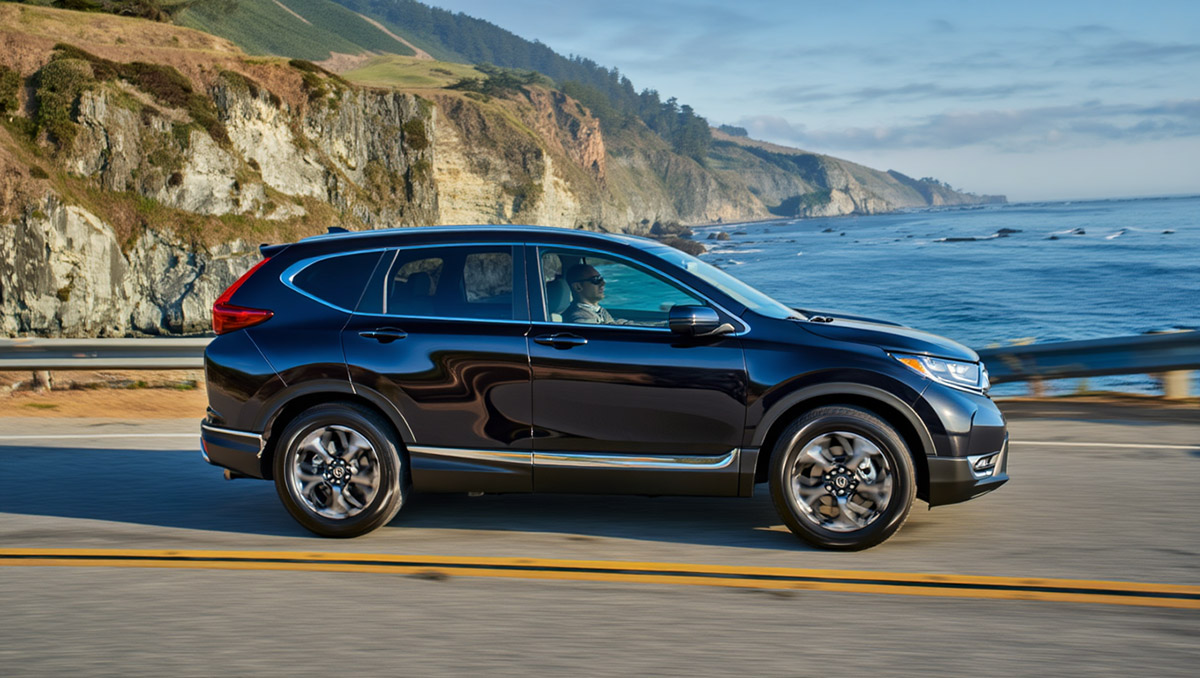
Table of Contents
- Why Compact SUVs Are Popular
- Key Features to Compare Before Buying
- Safety and Tech in Modern Compact SUVs
- Fuel Efficiency and Performance Considerations
- Maintenance and Longevity: What to Expect
- Tips For Test Driving A Compact SUV
- Budgeting and Financing Smartly
- Frequently Asked Questions About Compact SUVs
- Conclusion
Why Compact SUVs Are Popular
In recent years, the automotive industry has seen a dramatic shift toward compact SUVs, as drivers increasingly value versatility, efficiency, and comfort. These vehicles offer a raised driving position and agile handling that stand out in urban and suburban environments. Whether you’re a daily commuter or need space for weekend excursions, compact SUVs deliver a unique blend of practicality and style. Exploring options at a reputable Honda CRV dealer can help you see firsthand the features that make compact SUVs popular among many drivers.
Their manageable size allows for easier parking and city driving while providing ample cargo space. Many models come with cutting-edge technology and advanced safety systems previously found only in premium vehicles. A surge in demand has encouraged manufacturers to constantly update and improve these vehicles, giving shoppers an impressive range of options. Whether searching for sleek styling or robust off-road capability, today’s compact SUV market is filled with choices that match different tastes and budgets.
Key Features to Compare Before Buying
Not all compact SUVs offer the same value or features. Effective comparison shopping begins with evaluating everyday essentials—cargo and passenger space. Fold-flat rear seats, split configurations, and underfloor storage contribute to real-world usability. Drivetrain options (all-wheel drive vs. front-wheel drive) directly influence traction and fuel efficiency, making it essential to consider your local weather and typical routes.
Don’t overlook the interior technology packages. User-friendly infotainment systems, smartphone integration, and comfort features like heated seats and adjustable lumbar support can elevate your driving experience. Ask about available trims and optional add-ons to maximize value. Advanced driver-assistance systems—such as adaptive cruise control and lane-keeping assist—can further enhance safety and confidence on the road.
If you’re interested in finding additional local options and dealership services beyond a single model or brand, it’s helpful to search for trusted Honda CRV dealers near me. Comparing multiple dealerships can uncover exclusive promotions, varied inventories, and helpful sales staff to guide your decision.
Safety and Tech in Modern Compact SUVs
Today’s compact SUVs combine advanced safety features with state-of-the-art technology. Many models have systems like forward collision warning, automatic emergency braking, blind-spot monitoring, and rear cross-traffic alerts. This commitment to safety has helped compact SUVs earn excellent safety marks from organizations such as the IIHS and NHTSA.
Tech-savvy drivers will appreciate the integration of large, responsive touchscreens, wireless charging, and Wi-Fi connectivity. As highlighted in recent Consumer Reports SUV rankings, it’s common to see features like customizable digital displays and multi-angle rearview cameras, especially in popular models. Take time to compare how each manufacturer delivers these amenities; it can significantly impact day-to-day satisfaction.
Fuel Efficiency and Performance Considerations
Balancing performance and economy is a trademark of well-designed compact SUVs. Many now offer hybrid powertrains and turbocharged engines to deliver outstanding mileage—often ranging between 25 and 35 mpg, sometimes higher for hybrids—without sacrificing responsiveness. Check towing capacity and torque for those needing more muscle, particularly if outdoor adventures or trailer hauling are regular activities.
Test driving several models will reveal differences in ride comfort, steering precision, and acceleration. If maximizing savings at the pump is a priority, consult Fueleconomy.gov for government-backed, real-world ratings across different models and trims. Look for models that meet your driving style and fiscal goals—whether zippy urban commuting or capable handling on winding back roads.
Maintenance and Longevity: What to Expect
Compact SUVs are appealing for their value and utility because many offer solid reliability over the long haul. Manufacturer-recommended maintenance intervals like regular oil changes, tire rotations, and brake inspections help ensure trouble-free operation. Consult vehicle-specific forums and expert reliability ratings to identify recurring issues or higher-than-average costs.
Ownership costs can also be impacted by the availability of local service centers, warranty coverage, and typical repair expenses after the warranty period. Consider vehicles with strong reputations for durability, as they may command higher resale values and prove more affordable over a five- to ten-year ownership window.
Tips For Test Driving A Compact SUV
The test drive is a crucial step in the car-buying process. Take your time to assess seat comfort, blind spot visibility, and control layouts. Try out the infotainment system, climate controls, and other technology to confirm user-friendliness. Drive in multiple real-world conditions—city congestion, highway speeds, and uneven roads—to get an accurate picture of the vehicle’s capabilities.
Consider bringing along passengers or child seats if these will be common in your life, and verify that cargo solutions work for your typical loads. Carefully evaluate maneuverability, noise levels, and ride comfort; these factors will define your satisfaction during daily use.
Budgeting and Financing Smartly
Before finalizing your decision, set a realistic budget that accounts for more than just the purchase price—include insurance, expected maintenance, state fees, and estimated depreciation. Comparison shop for financing rates and ask about promotional APR offers or incentives. Certified pre-owned models are worth considering if you want to maximize value while still benefiting from extended warranty coverage and thorough inspections.
Use online calculators and review expert buying advice from major publications like Kelley Blue Book to structure your car loan and minimize surprises. Knowing your financial limits before walking onto the lot keeps your search focused on viable options.
Frequently Asked Questions About Compact SUVs
- Are compact SUVs expensive to insure? Most fall into a moderate insurance bracket, often costing less to cover than larger SUVs but more than compact sedans. Rates can vary, so compare quotes for specific models.
- Is maintenance higher than for a sedan? Maintenance costs are generally similar if you follow scheduled service. All-wheel drive models may lead to slightly higher expenses over time due to additional components.
- What is the typical fuel economy? Expect averages in the 25–35 mpg range, with certain hybrids achieving even better results depending on driving habits and conditions.
- Are compact SUVs suitable for families? Yes, particularly for small or growing families needing flexible seating and storage but not wanting to move to a full SUV.
Conclusion
A careful, thoughtful approach to researching compact SUVs can result in a purchase that brings satisfaction for years. Prioritizing what matters most—safety, efficiency, or tech—ensures you select a vehicle that fits seamlessly into your life. Consider visiting reputable dealerships, reviewing expert resources, and thoroughly test-driving your top choices. You’ll find a compact SUV that matches perfectly with the correct information and preparation.




Southwest Airlines Facing Backlash After Getting Rid Of Open Seating

Samsung Galaxy S26: Smarter AI, 200MP Camera, New Privacy Display

Indian Motorcycle Drops Stunning 125th Anniversary Collection

Polaris Slingshot’s 2026 Signature Edition Is An Absolute Head-Turner

TAG Heuer’s New F1 Smartwatch Is Built For Race Fans

The Mandalorian and Grogu Trailer Is Here, And It Looks So Good!
Southwest Airlines Facing Backlash After Getting Rid Of Open Seating

2027 Audi RS5 PHEV Is What Happens When Engineers Have No Limits

Apple Is Building Three AI Wearables, And Development Is Speeding Up

Krispy Kreme and OREO Team Up For New Limited-Edition Doughnut Drop

Watch The Fast And Furious Trailer For ‘Hobbs & Shaw’

A Dance-Off For The Ages Broke Out At Monday Night’s 76ers Game

Netflix Drops ‘Black Mirror: Bandersnatch’ Trailer Ahead Of Release Tomorrow

Former NASA Engineer Gets Revenge On Package Thief With Glitter Bomb

Recent Comments