
Trucks
Tesla Cybertruck Production Is Ending, And It Could Become A Future Classic

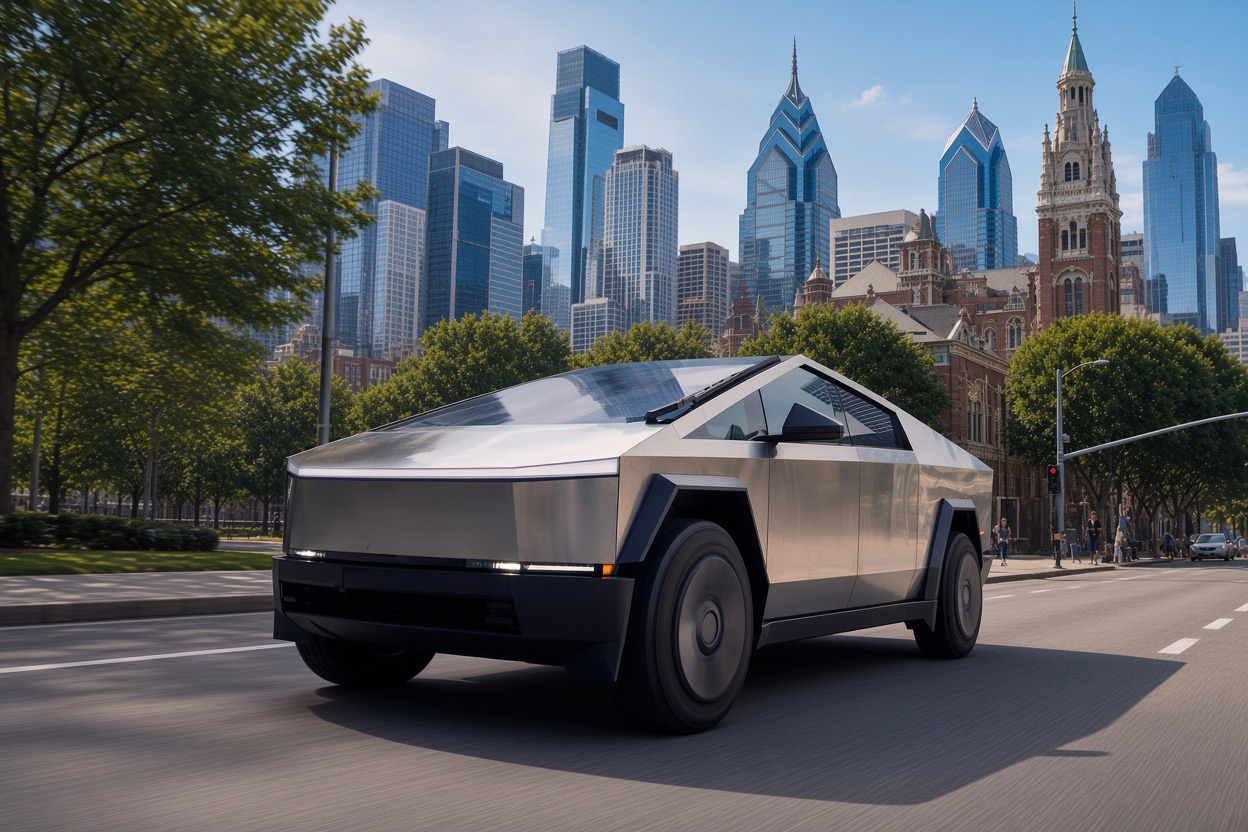
Love it or hate it, nobody has ever called the Tesla Cybertruck boring. Now the countdown has started for the stainless-steel pickup that stops traffic everywhere it goes, with Elon Musk confirming that Tesla will wind down Cybertruck production around the middle of 2027.
Despite what some may say, the move isn’t necessarily because of poor sales, but to make way for a very different kind of vehicle: a driverless robotaxi. Here is what happened, why Tesla is making the move, and why this might be the perfect time to start paying attention to the truck that looks like nothing else on the road.
Musk Makes It Official
The news arrived on Friday, November 6, in classic Musk fashion: a single post on X. He said Tesla “will be winding down production of the Cybertruck” at Gigafactory Texas around the middle of next year to make room for increased Cybercab production. No keynote, no farewell tour, just one sentence.
The announcement was widely expected, and investors did not seem to mind. Tesla’s stock rose around 5 percent after the news. Musk has also said Cybertruck orders still outpace production, so Tesla plans to build as many trucks as it can before the line goes quiet. He later replied to a post calling the move the end of an era by saying the Cybertruck fleet already on the road will be around for a long time.
A Bold Debut and a Bumpy Road
Musk first unveiled a prototype in 2019 and set expectations early. “It’s not going to be for everyone,” he said at the time. He was not wrong.
Production started at the Austin factory in 2023, with trucks priced at roughly $80,000 to $100,000 depending on customization. Before launch, Musk talked about annual sales of 250,000 units. Reality landed far lower. Tesla sold a little over 20,000 Cybertrucks in the U.S. in 2025, down about 48 percent from 2024, according to Kelley Blue Book data.
The ownership story had its share of potholes too. The truck was hit with several recalls over software glitches and hardware problems, including a March 2025 recall of about 46,000 trucks, nearly all of them, after an exterior trim panel was found to be falling off. Some industry watchers argue the truck simply never sold in the volume needed to justify its own dedicated supply chain, and that the Cybercab is a convenient reason to move on. Whatever the full story, the numbers explain why this announcement surprised almost no one.
Why the Cybercab Gets the Space
So what is taking the truck’s place? The Cybercab is a two-seat autonomous vehicle with no steering wheel and no pedals, built for Tesla’s ride-hailing ambitions. Production began at the Austin factory in July, and rides started in Austin on September 3. Tesla wants it to compete with Waymo, which already has roughly 4,000 autonomous vehicles offering paid rides in 14 U.S. cities.
It fits Musk’s longtime dream of fully autonomous cars, and it fits a pattern. Tesla already ended the Model S and Model X earlier this year, with that California factory space heading toward Optimus, the company’s humanoid robot. The Cybertruck is simply the latest vehicle to make way for Tesla’s autonomy and robotics push. The Cybercab has hurdles of its own, too. Federal safety regulators opened a probe in September into how Tesla certified it to U.S. safety standards, given that it lacks pedals.
Why the Cybertruck Still Turns Heads
Here is where I will say it: I have always liked the Cybertruck. Park one next to a lifted F-150 and a Silverado and watch which one people walk over to photograph. The angular, unpainted stainless steel body looks like it rolled off a sci-fi movie set, and it gives off serious DeLorean vibes. It is a truck that makes strangers pull out their phones at red lights.
It is not just a pretty face, either. The top Cyberbeast trim makes 845 hp and launches to 60 mph in about 2.6 seconds, while still being rated to tow up to 11,000 lb. The truck also packs steer-by-wire and rear-wheel steering, tech that nobody else has put in a production pickup, according to Electrek. Cybertruck lead engineer Wes Morrill wrote on X that “Cybertruck was an incredible technology development platform and lives on through Cybercab.”
Yes, it is divisive. That is the point. From what I can tell, the people who actually own one tend to be fiercely loyal, and the truck has a way of turning every parking lot into a conversation. In a sea of look-alike crossovers, that counts for a lot.
Could the Cybertruck Become a Collectible?
This is purely my hunch, but I think the Cybertruck has the ingredients of a future collectible. Production is set to end in mid-2027, so the window for new ones is closing. Volumes are tiny compared to mainstream trucks like the F-150. The design was polarizing on purpose. And the stainless steel body, which skips paint altogether, is exactly the kind of quirky detail enthusiasts obsess over decades later.
Think about the DeLorean DMC-12. It was built for only a few years in the early 1980s, mocked in its day, and is now a pop culture icon that car fans happily pay up for. Strange, memorable cars with short production runs have a habit of finding their audience once they are gone.
That said, nobody has a crystal ball. Recalls, early depreciation, and open questions about long-term parts and service all matter, and Tesla has not spelled out what support for existing owners will look like after production ends. If you are thinking of buying one as an investment, treat it as a bet, not a guarantee. Buy it because you love it.
The Bottom Line
Tesla is trading a truck that turned heads for a robotaxi that turns steering wheels into history, and that tells you where Musk’s priorities sit. The Cybertruck never came close to the 250,000 units a year he once predicted, but it did something rare: it made people feel something. Whether you saw genius or a gimmick, it was never forgettable.
Production wraps up around the middle of 2027, which means the last chance to get a factory-fresh Cybertruck is on the clock. If you have ever wanted to own one, now is the time to start thinking about it. Something tells me the folks who do will be glad they did.











Gordon Ramsay Is The New Top Gear Host, And We’re Still Processing It

Ridgeline Summit Review: American-Assembled Adventure Watch Built To Last

2028 Ford Mustang GTD 1901 Wears Henry Ford’s Winning Colors

Domino’s Fires Up The Menu With New Sweet Heat Smokehouse Pizza

Nicolas Cage Faces Off Against His Own Son In ‘Lords Of War’

The Timeless Appeal Of The Polo Shirt In Men’s Fashion

Is Primal Viking Legit? A Look At Ancestral Nutrition For Modern Guys

Aston Martin & Glenfiddich Unveil 28-Year-Old Single Malt Built For Collectors

Krispy Kreme Just Dropped A Thanksgiving Doughnut Collection!

Wyndham Rewards’ Homes & Havens Puts Extraordinary Escapes Within Reach

Watch The Fast And Furious Trailer For ‘Hobbs & Shaw’

A Dance-Off For The Ages Broke Out At Monday Night’s 76ers Game

Netflix Drops ‘Black Mirror: Bandersnatch’ Trailer Ahead Of Release Tomorrow

Former NASA Engineer Gets Revenge On Package Thief With Glitter Bomb

Recent Comments