
Cars
The New Tesla Roadster Is Finally Here, And It Can Literally Fly!

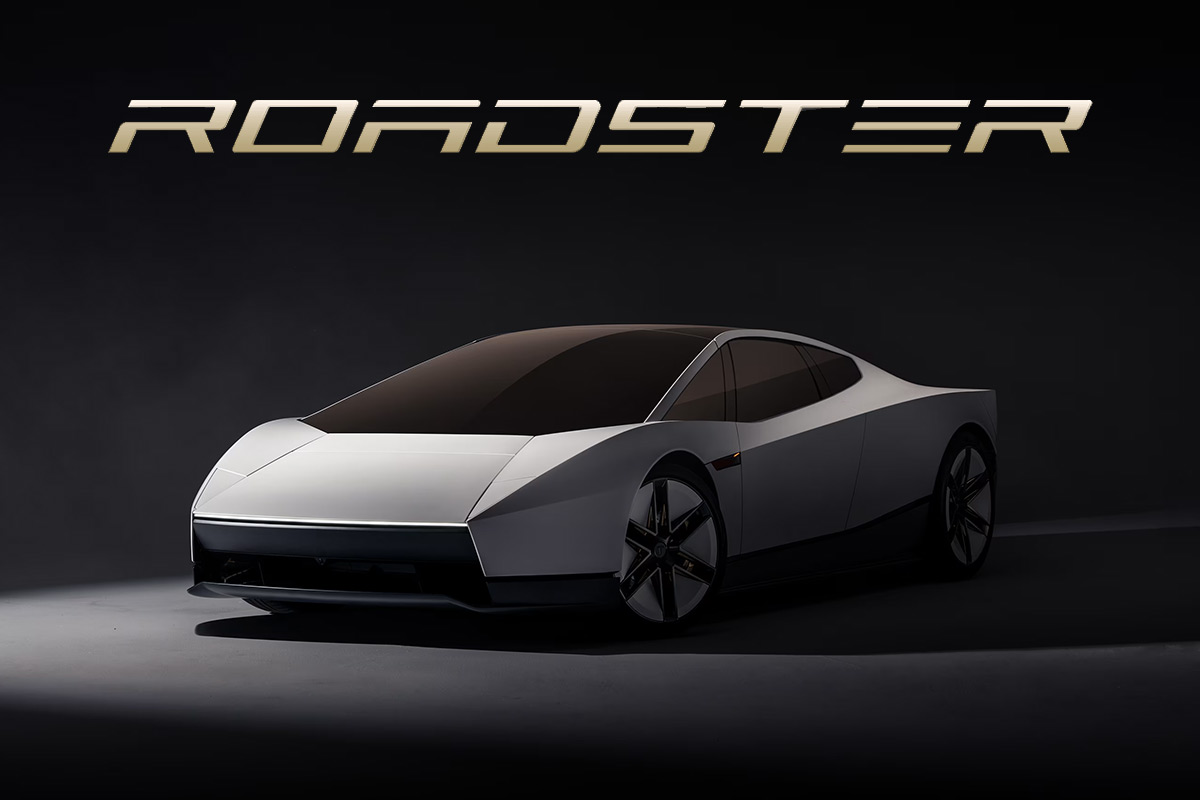
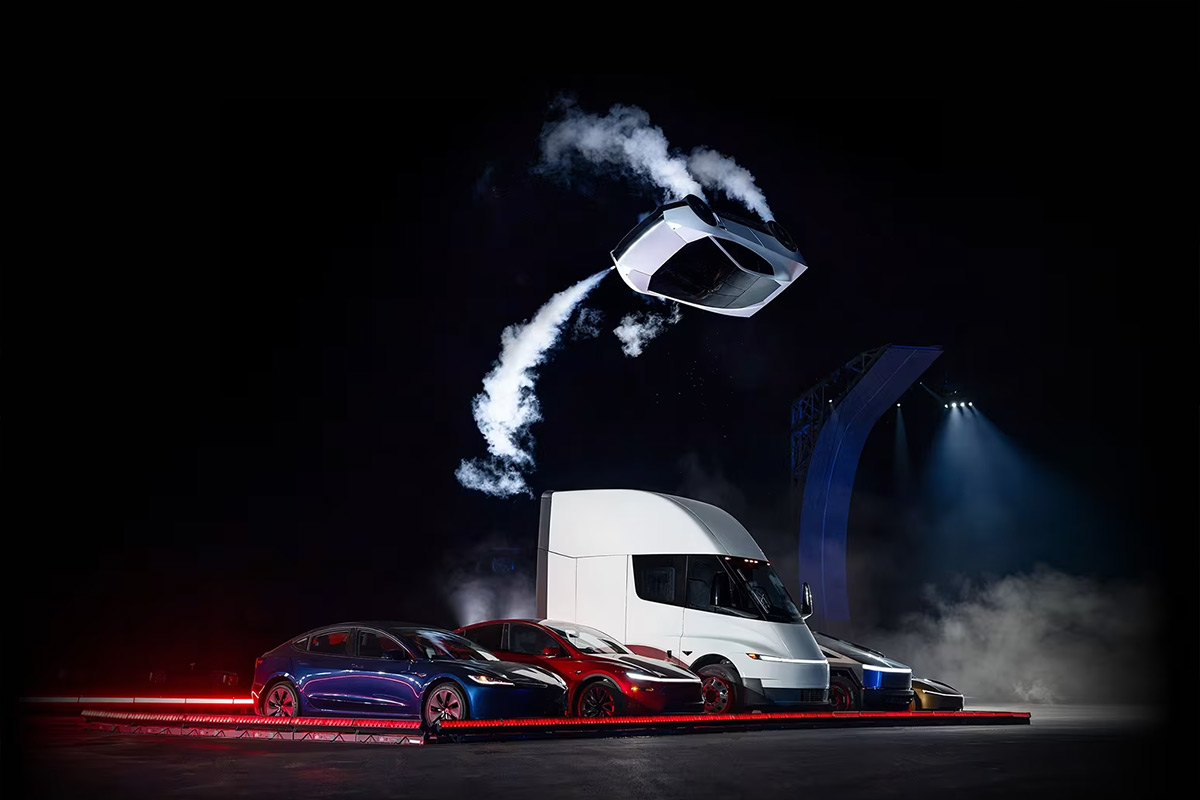
For nearly nine years, the Tesla Roadster was a promise with a moving release date. The other night, Tesla finally stopped teasing. At SpaceX’s rocket test facility in McGregor, Texas, the company drove a white prototype vehicle up a towering curved ramp, flipped it upside down and sent it into the air, with the car finally landing safely on all four wheels.
Needless to say, the crowd absolutely lost their minds at this incredible marvel of technology! And if you missed it, not to worry, as you can watch the videos at the bottom of this post.
A Pilot’s Car, Not A Robotaxi
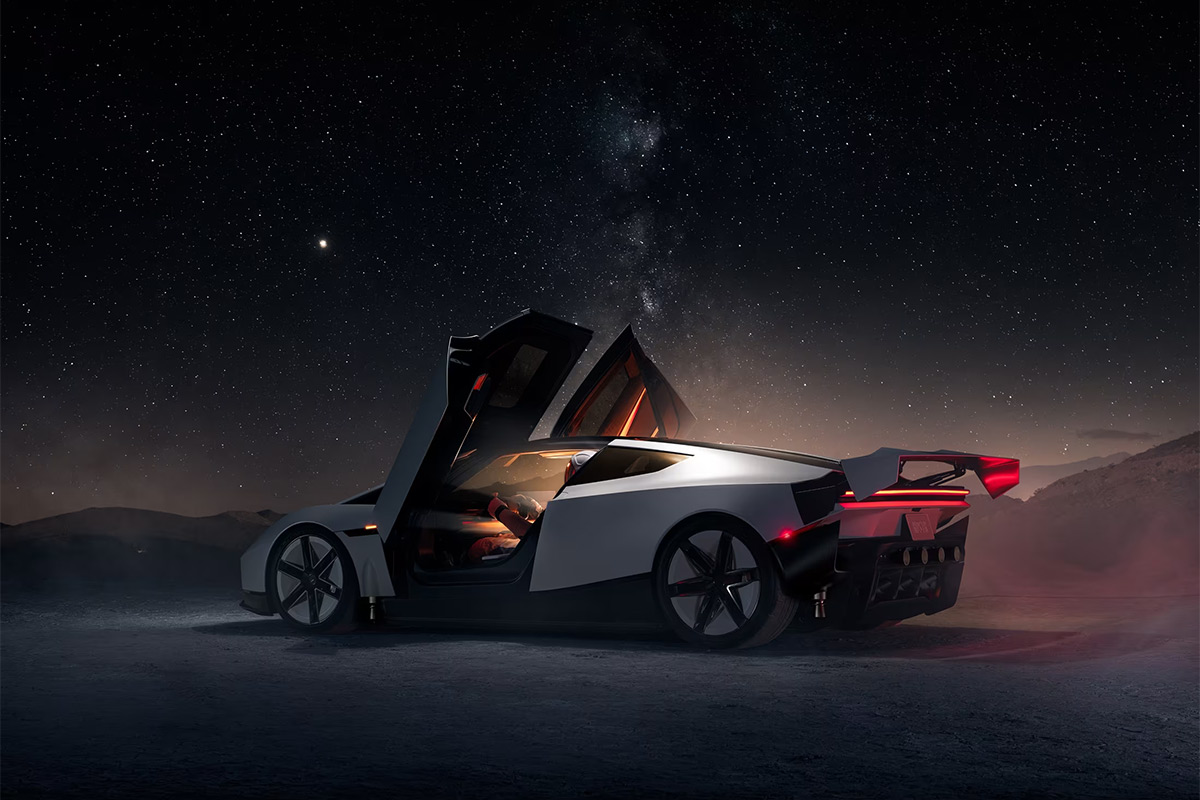
Tesla spends most of its energy on autonomy, robotaxis and robots. The Tesla Roadster goes the opposite way. Elon Musk said on stage that, over the long run, this will be the only Tesla built to be driven by hand, and that a car with that status and performance capabilities should be pushed to its limits and beyond.
Tesla’s own Roadster page leans into the idea with a headline that reads “A True Pilot’s Car” and copy promising a machine that “goes beyond Plaid to unlock an entirely new dimension of driving.” That is a bold claim from the company behind some of the quickest sedans ever sold.
They Put A Rocket In The Roadster
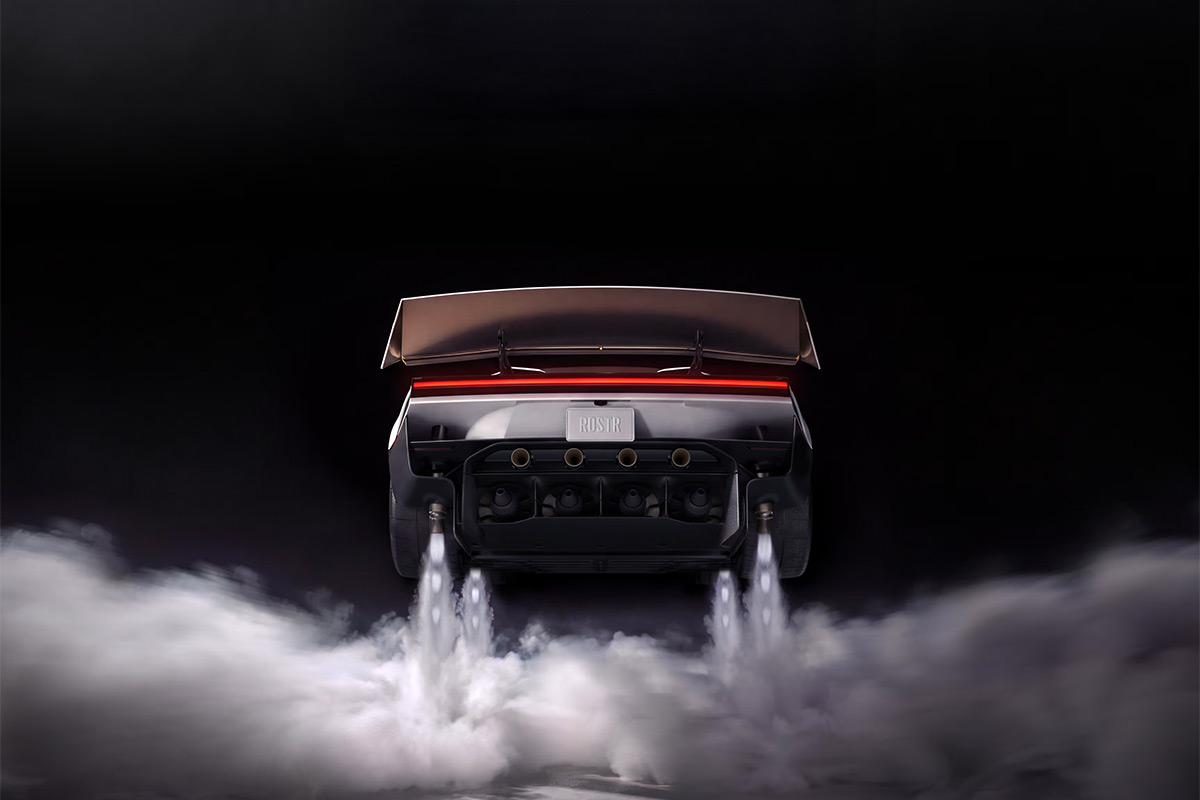
The fun starts with a callback to 2018, when Musk’s original Roadster rode a SpaceX rocket into orbit around the sun. Tesla’s page puts it this way: “We already put Roadster in a rocket. Now we put a rocket in Roadster.”
The rocket in question is a set of cold-gas thrusters borrowed from SpaceX. These are not chemical engines. They store gas under extreme pressure and release it through precisely controlled nozzles. Tesla engineering executive Lars Moravy said the full flight-capable setup uses ten nozzles and about 600 liters of gas storage. During the demo, the Roadster hopped over a row of Tesla vehicles and spun in midair before landing.
Tesla is not shy about what that means. Its page says the top configuration is built for forward, upward and rotational movement, then adds, “So yes, it can fly.” Keep your expectations realistic, though. What we saw were short bursts of thrust, not sustained flight. Tesla also attaches a blunt warning: “Note: Not approved for public road use.”
Darn, I was ready to start flying over slow-moving vehicles in the fast lane! 🙂
Choose Your Level Of Insane
Tesla has laid out three configurations, and the page uses its own labels for each.
- Performance (by reservation): This is the road car. Tesla describes it as “Road ready with seating for two.” Think active aerodynamics and a multi-mode suction system for downforce. Reports from the event put its 0-60 mph claim at under 1.6 seconds.
- Thrust (limited release): The track-focused option. Tesla calls it “Race ready with seating for two.” Rear-mounted thrusters launch the car from 0-60 in under 1 second, according to Tesla. A prototype showed a run of about 0.81 seconds at the reveal.
- Rocket (invite only): The flagship. Tesla describes it as “Air ready with seating for one.” Thrusters ring the perimeter of the car. Reports put its 0-60 target at under 0.59 seconds.
Notice the wording on Tesla’s page. Thrust and Rocket are listed as add-ons, and a footnote says the specs shown “are reflective of our Thrust augment only and are available as an optional upgrade.”
Another footnote on some of the boldest claims, including the thruster stabilization, reads “Available with the Rocket trim only, which is not available in all regions.”
The Fan That Pulls The Car Into The Pavement
The most unusual hardware hides underneath the vehicle. Tesla’s multi-mode fan and ground sealing system pulls air out from beneath the car, which creates suction. The company says that is enough to hold the Roadster upside down, even when it is sitting still. Tesla also claims the system can generate as much as 2 g of cornering force.
Racing fans will recognize the idea. The Chaparral 2J and the Brabham BT46B both used fans for downforce decades ago. Tesla’s version adds active wings and a Track Mode that lowers the car and changes the suspension, with high-downforce and low-drag settings for different situations.
Stealth Looks And A Space-Age Cockpit
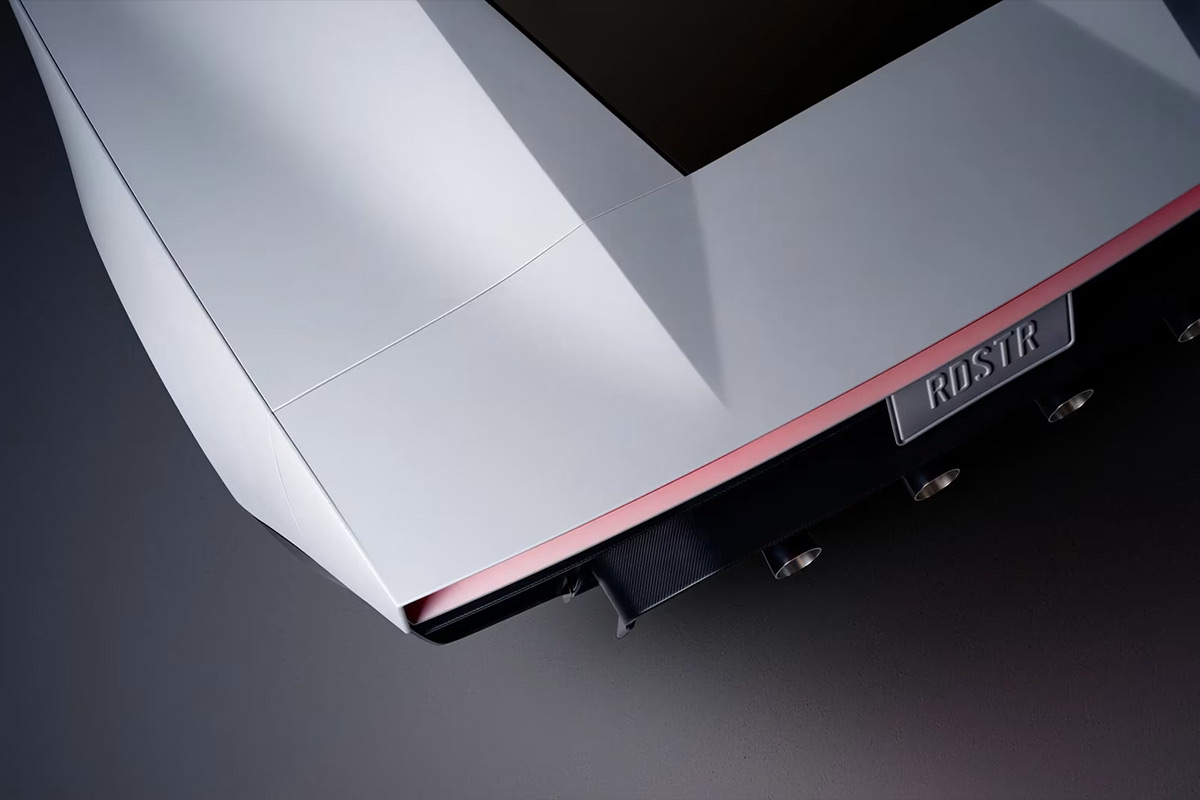
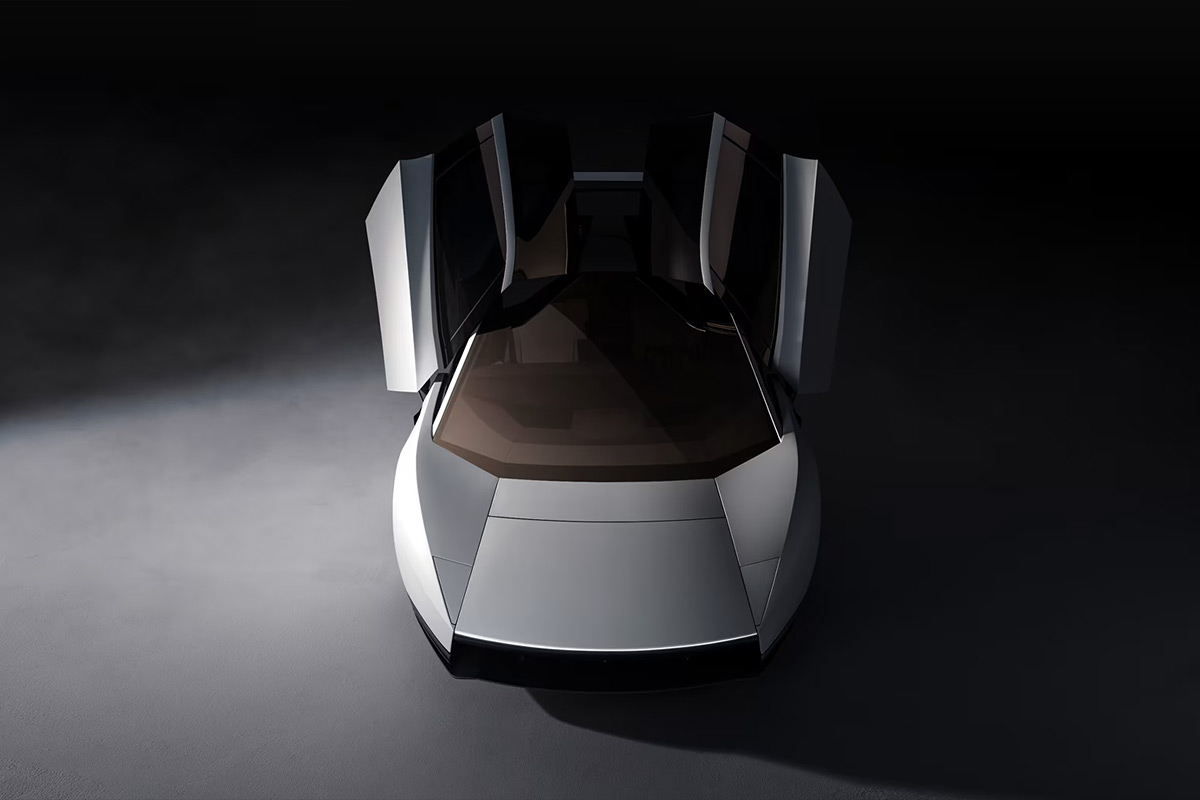
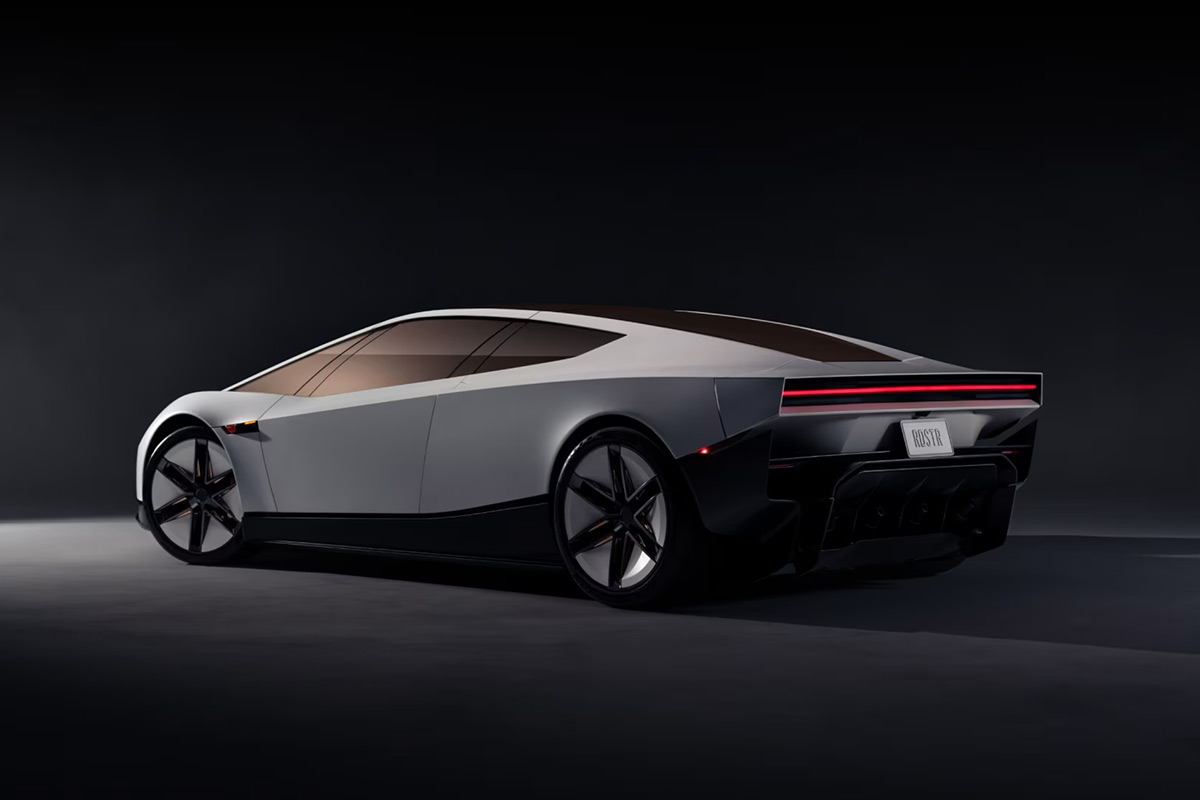
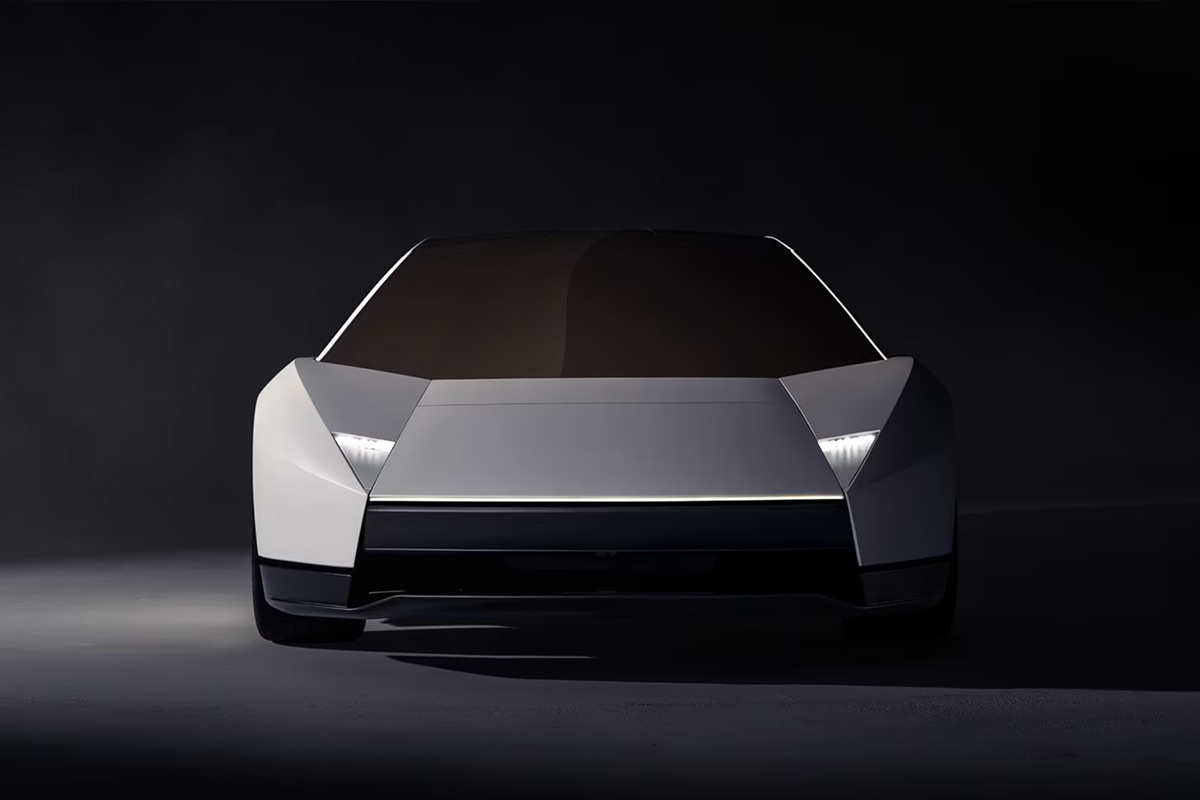
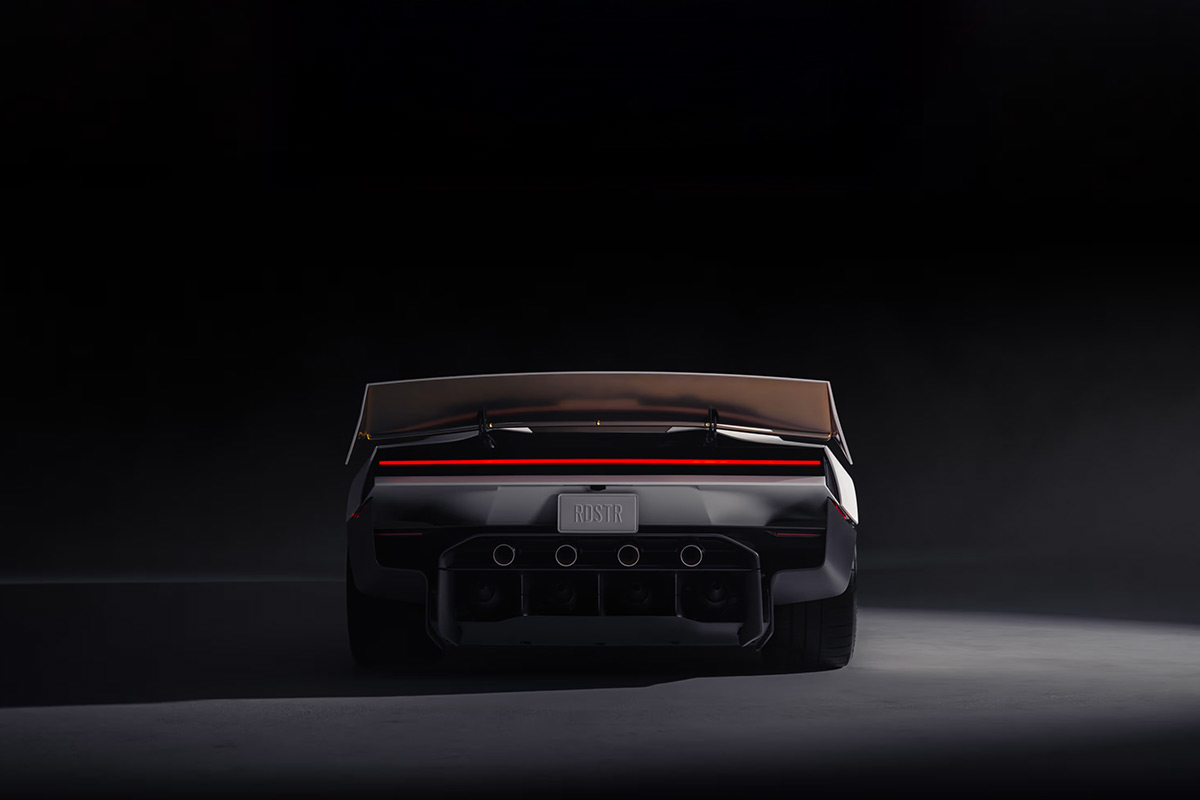
The styling is a sharp turn from the 2017 prototype. Tesla says aircraft like the Lockheed SR-71 Blackbird and the F-35 inspired the shape. The result is a low wedge with upward-opening doors, hidden headlights, a full-length taillight and flush-mounted aero. Tesla’s Ano White paint borrows from aerospace coatings, and the tinted glass is designed to mimic the gold glow of spacesuit visors.
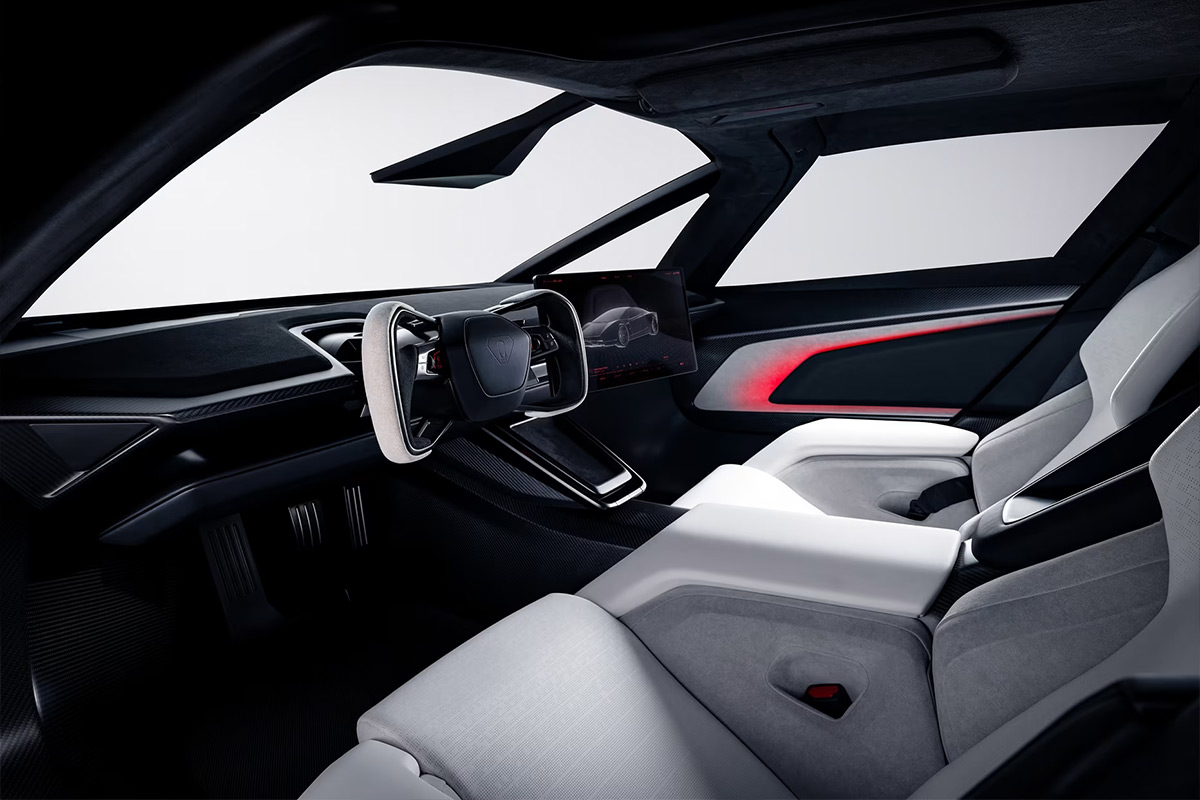
Inside, you’re greeted by a white interior with gray microsuede, a yoke built for steer-by-wire and a center touchscreen backed by two smaller displays in front of the driver. Tesla also keeps weight down with manual controls, a fixed seat position and lightweight materials including magnesium, titanium and carbon fiber.
Range And Top Speed
Reports from the reveal say Tesla is targeting more than 300 miles of range and a top speed above 230 mph on its highest-performance versions. Those numbers sit well below the 2017 promises of 620 miles, 250-plus mph and 1.9 seconds to 60. The seating has shrunk too, from four seats to two, or just one on the Rocket.
The Roadster has gone from long-legged grand tourer to something far more experimental. Tesla is chasing a different kind of thrill, with aerodynamics and thrust taking priority over a giant battery. And honestly, I’m not mad about it, as 300 miles of range is more than plenty.
Price And Delivery Date
Final pricing has not been announced. What exists is the cost of getting in line: a $50,000 reservation deposit for the Performance and $250,000 for the Thrust. Those are deposits, not sticker prices. The 2017 plan pointed to roughly $200,000, but with this much new engineering, nobody should assume that number still applies.
Musk said production starts in 2028. Of course, Tesla first promised deliveries in 2020, so that date deserves some healthy skepticism.
What We Still Don’t Know
A prototype performing under controlled conditions is not a car you can register, insure and drive to dinner. Several big questions remain:
- Final weight, power output and battery size
- How the fans and thrusters hold up after thousands of miles
- What maintenance costs and how much range the extra systems use
- Which of the Texas stunts will make it onto a customer car
No independent outlet has verified Tesla’s acceleration numbers yet, so treat every figure here as a manufacturer claim until real testing says otherwise.
The Bottom Line
The new Tesla Roadster is part supercar, part science project and part stunt show. If Tesla can turn even a fraction of that Texas demo into something you can buy, it will change what we expect from a sports car.
Now comes the harder part, which is building it. Mark 2028 on your calendar and keep your imagination wide open.
What do you think of the new Tesla Roadster?




Is Primal Viking Legit? A Look At Ancestral Nutrition For Modern Guys

The Timeless Appeal Of The Polo Shirt In Men’s Fashion

Is An $11.99 Apple Mystery Box Worth It? Inside GOATbox.gg’s MacHead

Norwegian Bella Is Ready To Sail, And She’s Headed To The Mediterranean

Idris Elba Trades Orbit For The Ocean Floor In ‘Above The Below’ Trailer
Is An $11.99 Apple Mystery Box Worth It? Inside GOATbox.gg’s MacHead
Idris Elba Trades Orbit For The Ocean Floor In ‘Above The Below’ Trailer
The Timeless Appeal Of The Polo Shirt In Men’s Fashion
Is Primal Viking Legit? A Look At Ancestral Nutrition For Modern Guys
Norwegian Bella Is Ready To Sail, And She’s Headed To The Mediterranean

Watch The Fast And Furious Trailer For ‘Hobbs & Shaw’

A Dance-Off For The Ages Broke Out At Monday Night’s 76ers Game

Netflix Drops ‘Black Mirror: Bandersnatch’ Trailer Ahead Of Release Tomorrow

Former NASA Engineer Gets Revenge On Package Thief With Glitter Bomb

Recent Comments