
Fashion
The Celebrity Effect: Why Pop Culture Drives Fashion Choices

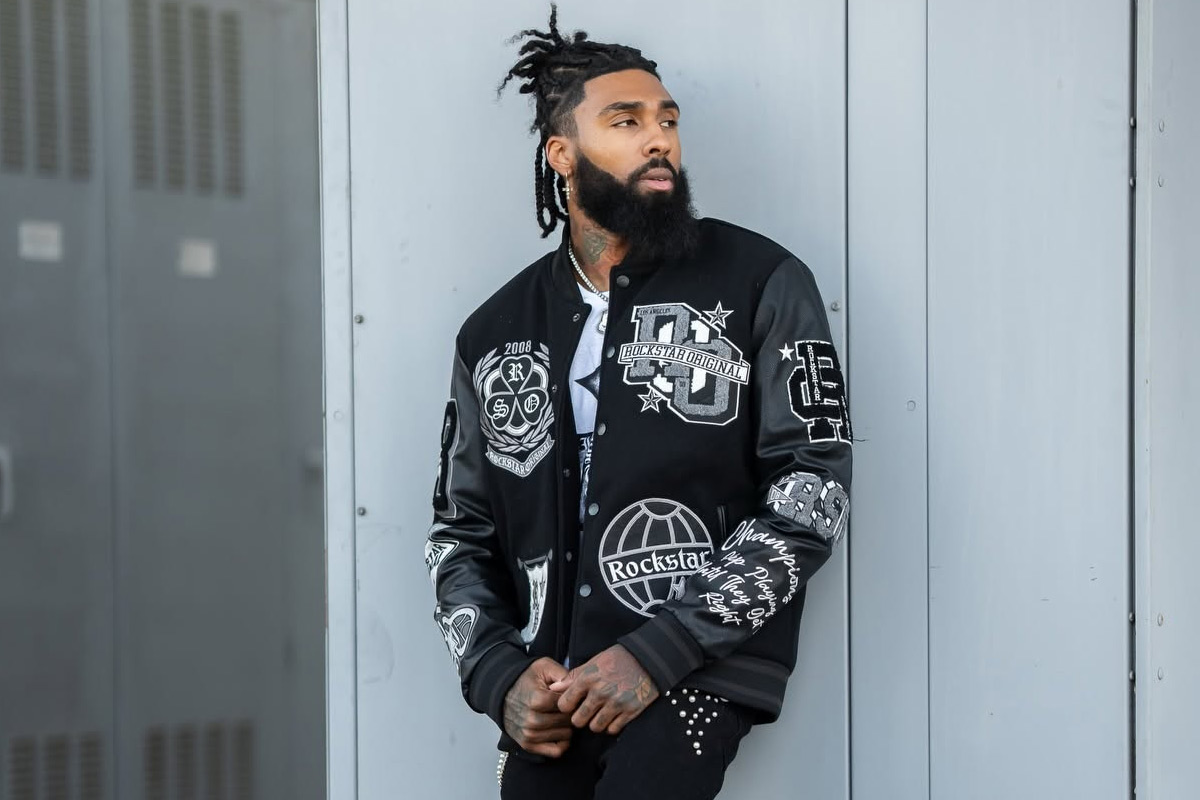
The fashion industry has always reflected more than personal taste. It communicates identity and a sense of belonging which explains why celebrities have such an influence on what people wear. They place it inside stories audiences follow, turning an item into a symbol of confidence, success, rebellion, or creativity.
Visibility Turns Clothing Into Culture
Celebrity influence begins with visibility. A designer can present a runway collection, but a recognizable figure wearing one of its pieces can introduce that design to millions almost instantly. Red carpets once provided the stage for this process. Today, airport photographs, concert clips, interviews, and social posts give audiences repeated opportunities to study celebrity style.
Repetition matters because fashion choices become appealing through familiarity. An unusual jacket may initially seem difficult to wear, yet several appearances by an admired performer can make it feel accessible. The celebrity does not have to explain the garment. Their public image supplies the context, allowing fans to imagine how the same piece might express their personalities.
Street Style Makes Influence Feel Attainable
Highly styled formalwear may attract attention, but everyday celebrity outfits can have a greater effect on purchasing decisions. Casual looks feel easier to interpret and recreate. This is particularly clear in Streetwear for Men, where sneakers, relaxed denim, hoodies, and statement outerwear can move quickly from candid photographs into mainstream wardrobes.
The appeal comes from a sense of closeness. A fan may not need an invitation to an awards ceremony, but they can wear a similar sweatshirt or pair of shoes on an ordinary weekend. Even when the original outfit includes expensive accessories, ordinary shoppers can adopt its proportions, colors, or attitude at a suitable price.
Social Media Shortens the Trend Cycle
Social media has accelerated the journey from celebrity appearance to consumer response. In the past, a magazine might interpret a star’s outfit weeks after an event. Now, images circulate within minutes. Entertainment accounts identify brands, creators publish styling videos, and retailers respond with products inspired by the look.
This speed encourages experimentation, but it also makes trends more temporary. Audiences constantly see new references, which can push yesterday’s celebrated outfit aside. Celebrities remain influential, although their impact exists within a crowded flow of content.
Authenticity Determines What Connects
Not every celebrity’s endorsement changes consumer behavior. Audiences have become skilled at recognizing partnerships that feel purely transactional. A product can lose credibility when it conflicts with the person’s established image or appears only in a scripted advertisement. Influence is stronger when a fashion choice feels consistent with how the celebrity already dresses.
Authenticity does not mean an outfit is spontaneous. Stylists, designers, publicists, and brands often work together behind the scenes. What matters is whether the result feels believable. When clothing reinforces a performer’s music, public persona, or creative direction, it becomes part of a larger narrative rather than a disconnected sales message.
Fans Adapt Rather Than Simply Copy
Celebrity fashion influence is sometimes described as imitation, but that overlooks consumer creativity. Most people do not reproduce a complete outfit exactly. They interpret it according to their budget, lifestyle, climate, and comfort. A dramatic runway piece might inspire a practical silhouette, while a luxury accessory may encourage interest in a similar color or shape.
This process allows trends to evolve as they spread. Fans combine celebrity references with local culture and personal preferences, creating versions that may eventually influence designers. Fashion therefore moves in multiple directions. Public figures introduce ideas to large audiences, but those audiences reshape the ideas through everyday wear.
Style Influence Comes With Responsibility
The celebrity effect can make fashion exciting and inclusive by helping unfamiliar styles reach new communities. It can also encourage overconsumption when every appearance becomes a reason to buy something new. Thoughtful consumers can appreciate an influential look without replacing their wardrobes. They might restyle existing clothing, invest in one versatile piece, or use the outfit as creative inspiration.
Pop culture drives fashion because celebrities give clothing emotional meaning and public visibility. Yet the most lasting choices emerge when people move beyond imitation. By selecting elements that genuinely fit their lives, consumers turn celebrity influence into personal style rather than temporary consumption.



The Celebrity Effect: Why Pop Culture Drives Fashion Choices

Is An $11.99 Apple Mystery Box Worth It? Inside GOATbox.gg’s MacHead

A Better Fit: How Esteem Apparel Helps Men Dress With More Confidence

Idris Elba Trades Orbit For The Ocean Floor In ‘Above The Below’ Trailer

Upgrade Tips For The 2013–2017 Subaru Crosstrek: Practical Accessories, Protection, and Value

Is It Time To Replace Your Tires Before Winter?
A Better Fit: How Esteem Apparel Helps Men Dress With More Confidence
Upgrade Tips For The 2013–2017 Subaru Crosstrek: Practical Accessories, Protection, and Value
Is An $11.99 Apple Mystery Box Worth It? Inside GOATbox.gg’s MacHead

Baywatch Is Back: FOX Drops The First Full Trailer For The Reboot

Watch The Fast And Furious Trailer For ‘Hobbs & Shaw’

A Dance-Off For The Ages Broke Out At Monday Night’s 76ers Game

Netflix Drops ‘Black Mirror: Bandersnatch’ Trailer Ahead Of Release Tomorrow

Former NASA Engineer Gets Revenge On Package Thief With Glitter Bomb

Recent Comments