
Technology
How Infrared Security Cameras And Color Night Vision Differ

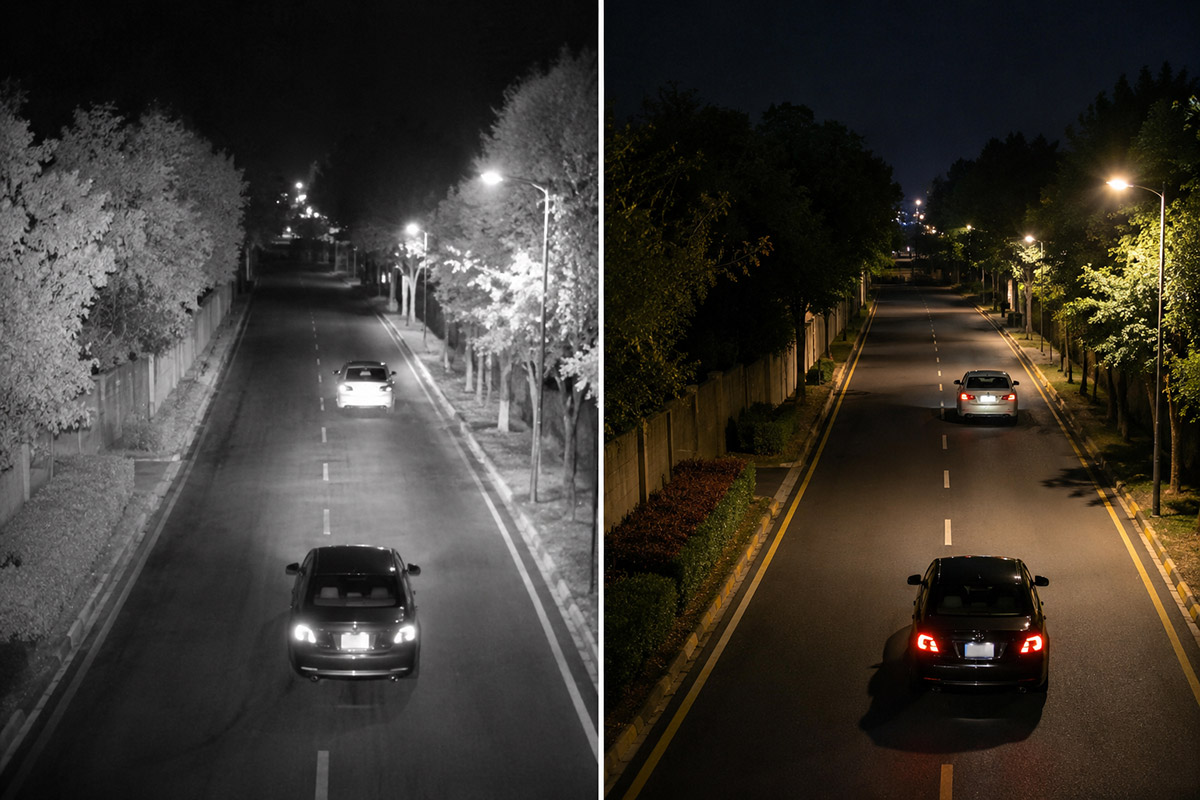
If you are comparing infrared security cameras with color night vision models, the practical difference is not a simple image-quality upgrade. Product pages often list both modes on the same camera without explaining when each one actually runs. The answer starts at your mount point, not the marketing badge on the box.
In total darkness, IR night vision usually stays steadier because the camera lights the scene itself. It is the better default when a side yard, fence line, or back corner gets little fixed lighting at night. Color night vision needs porch lights, street glow, or a camera spotlight to preserve useful color. It adds more value when you need to tell a jacket, vehicle, or package apart in playback, not just confirm that motion happened. Paying extra for color only makes sense when your mount point actually gets that light after dark.
Many buying guides treat color as the default better pick. That framing pushes upgrades even when IR would handle the job. In practice, you are matching technology to the lighting at each install location. The sections below cover how each mode works, where color adds identification value, when infrared security cameras are enough on their own, and how to match the choice to your home.
How Infrared and Color Night Vision Work on Security Cameras
IR night vision fires invisible light from the camera itself, like a built-in flashlight, so it does not depend on porch lights or streetlamps.
Color night vision mainly uses ambient light already in the scene, plus a visible spotlight on some models. The sensor and processing pull that weak light into color.
| Infrared (IR) night vision | Color night vision | |
| What you need at the mount | Little to no outside lighting | Porch, street, or landscape light, or a camera spotlight |
| How the image is built | IR LEDs light the scene; the sensor records grayscale | Sensor, aperture, and processing stretch limited light into color |
| Footage in the same scene | Grayscale; strong on motion, shape, and contrast | Color when enough light reaches the lens |
| In pure darkness | Usually stable because the camera supplies its own light | Often falls back to IR or loses usable detail |
| Typical reach | Onboard IR often extends farther on similar models | Color detail strongest near light sources |
| What replay helps you answer | Did someone or something appear? | What color was the car, jacket, or package? |
An IR night vision security camera keeps working in a side yard or back fence line with no fixed lighting because it does not depend on outside fixtures. Security camera color night vision adds identifying detail when porch lights or street glow reach the lens, not as a guarantee of vivid color through every overnight hour. Color night vision usually needs some light to deliver its best results. In total darkness, many cameras fall back to infrared, or the color image becomes grainy and less useful. In complete darkness, eufy notes that infrared mode is advisable for enhanced clarity. Most buying guides rank color above IR as if one replaces the other. In practice, you are matching technology to lighting at the mount point.
How to Choose Between Infrared Security Cameras and Color Night Vision
Where Security Camera Color Night Vision Adds Value
Spec sheets rarely say whether color will help at your actual mount point. Use the night lighting around that spot as the first filter.
- Front door and porch areas: When a porch light, smart bulb, or nearby streetlight reaches the lens, color night vision is worth considering for installs where you need more than a motion alert.
- Driveways and street-facing cameras: When streetlights or headlights regularly pass through the scene, color can help in playback. If the driveway also goes dark for long periods, dual-mode is safer than relying on color alone.
- Patios and lit yard zones: When landscape lights or patio lighting cover the area, color night vision can preserve object and clothing color in close-range playback.
- Backyards, side yards, and unlit fence lines: When there is little fixed lighting, color night vision has less light to work with. IR is often the better default for seeing whether someone or something appeared.
- Garages and covered entries: When a door opens, a fixture turns off, or light changes quickly, a camera with IR fallback handles the swings better than a color-only expectation.
Why Color Footage Helps You Identify Details That IR Misses
IR night vision is strong at confirming that someone or something appeared. It is weaker when you need to separate similar-looking objects that differ mainly by color.
In grayscale IR playback, a dark blue sedan, a black SUV, and a gray crossover can look nearly the same under similar lighting. Color night vision makes those distinctions easier when enough light reaches the lens. In parking-lot-style scenes, eufy notes that knowing a car was dark blue, not black, can be the one detail that matters when you review footage after an incident. The same gap shows up with clothing: a red jacket and a dark hoodie can blur together in IR, while color footage can preserve the difference in a porch or driveway scene.
Packages and carried items are another common example. A cardboard delivery box and a black tote can share a similar shape in IR. Color helps you tell them apart faster when you are scanning overnight alerts.
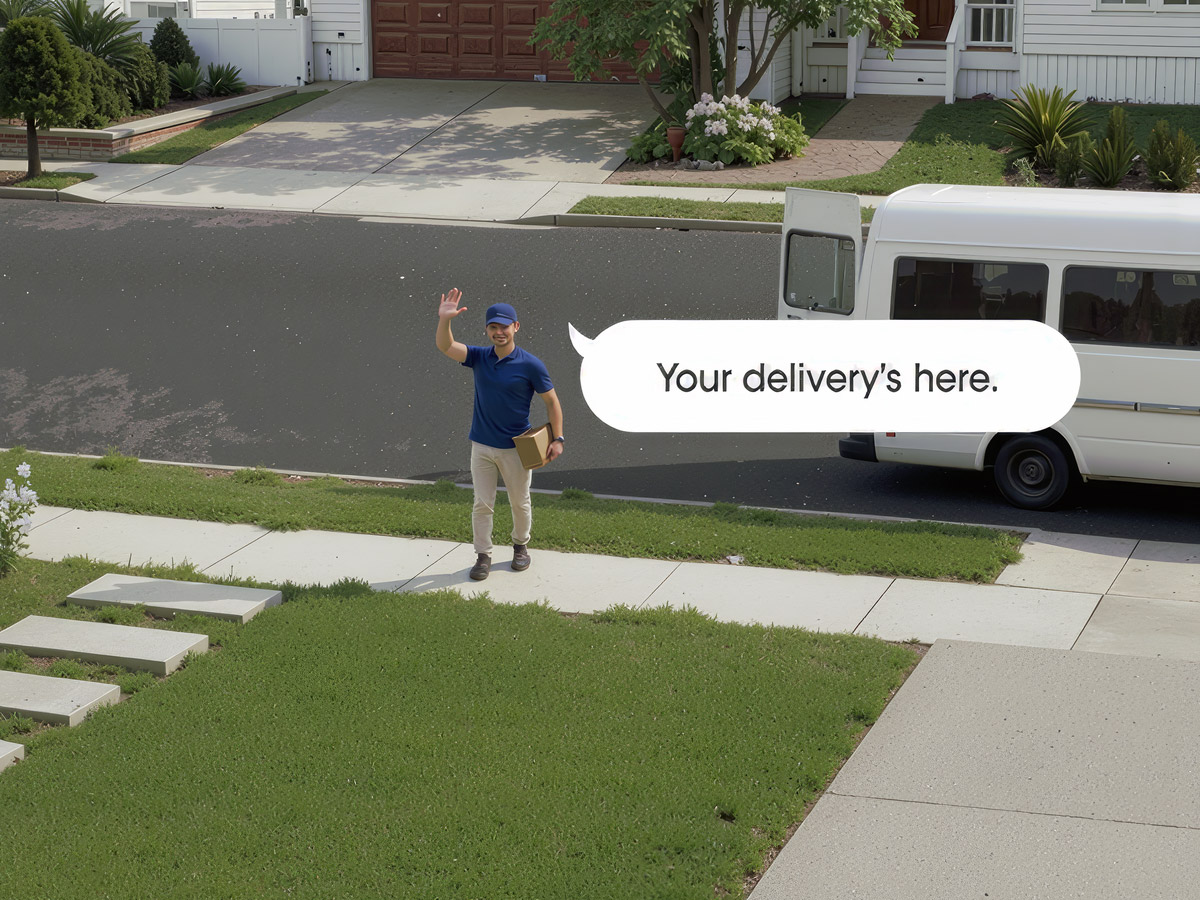
Homeowners reviewing footage after an incident often care less about image style and more about whether they can answer a specific question: what color was the car, jacket, or bag? Color night vision is not a 24/7 upgrade. When the scene has usable light, it can add identification detail that IR alone may not provide.
When Infrared Security Cameras Are the Better Fit
You usually do not need to pay extra for color when:
- The mount has little or no permanent lighting
- You need dependable long-range detection, such as a fence line, far corner of a yard, or end of a driveway, where IR usually reaches more reliably in darkness
- Your main question is whether someone or something appeared, not what color they wore
- You prefer night recording without a visible spotlight neighbors might notice
IR is not an outdated fallback. In unlit areas, it is often the more dependable way to keep recording through the night without depending on outside fixtures or visible spotlights.
IR Illumination Range vs Color Night Vision Coverage
IR range and color coverage measure different things, and product pages do not always spell that out.
IR night vision uses onboard LEDs to light the scene. Effective reach depends on LED power, lens design, and the model itself, so typical range varies by camera. That is why IR is often the better fit for fence lines, far corners of a yard, or the end of a driveway, where you need steady detection farther from the camera.
Color night vision coverage follows a different path. It depends on how far porch lights, streetlights, or landscape lighting actually reach the lens. The farther the scene sits from those sources, the weaker color detail becomes. A spotlight can extend coverage, but it also adds visible light, may draw more attention from neighbors, and can increase power use.
In short, IR usually wins on distance and reliability in pure darkness. Color usually wins on identification detail in lit or partially lit areas close to a light source.
Dual-Light and Hybrid Night Vision Designs
Some installs do not stay in one lighting condition all night. A driveway may catch streetlights and headlights after rush hour, then go almost dark by 2 a.m. A side entry may sit beside a porch light but still have a shadowed zone a few feet away.
Dual-mode night vision is built for that mixed-light reality. One camera can support IR mode for fully dark scenes, color mode when ambient light is present, and sometimes a motion-triggered spotlight when the scene needs a visible boost. Dual-mode models are built to support multiple night vision paths for different lighting conditions, so you are not locked into color-only recording when the scene goes dark.
A hybrid camera makes the most sense when:
- Lighting at the mount changes through the night
- You want color detail near a light source but still need IR in darker zones
- You are unsure whether a pure IR or pure color camera is the safer long-term fit
If that sounds like your layout, the next step is to compare cameras that support multiple night vision paths rather than betting on color alone.
Which Night Vision Setup Fits Your Home
Once you know the mount point, use this checklist to narrow the choice. Pick the row that best matches your layout.
| Your situation | Better fit |
| Front door has a porch light or motion light | Color or dual-mode |
| Driveway gets streetlights or passing headlights | Dual-mode first |
| Backyard or side yard stays mostly dark | IR is enough; paying extra for color often adds little |
| You need vehicle or clothing color in playback | Color or dual-mode, and ensure light reaches the lens |
| Your main question is whether someone appeared far from the camera | IR first |
| Nighttime lighting changes a lot through the evening | Dual-mode |
If several rows apply, dual-mode is usually the safer pick when lighting is mixed. When your install location and night vision need are clear, compare specific camera modes against this list.
A Dual-Mode Example for Mixed-Lighting Installs
For mixed-light layouts like a driveway, side entry, or partially lit backyard, the eufyCam S3 Pro 4-Cam Kit + 1 TB Hard Drive is a practical example because it covers three paths:
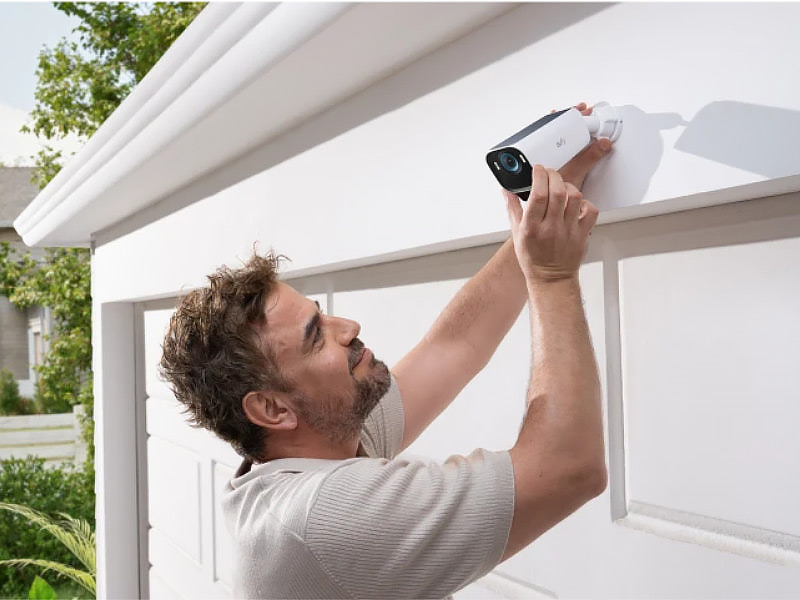
- MaxColor Night Vision Mode uses a 1/1.8-inch sensor and F1.0 lens per eufy US product materials to preserve low-light color when porch glow or streetlight reaches the scene, so you can tell a jacket, vehicle, or package apart without relying on a constant spotlight.
- Infrared Night Vision Mode uses four IR LEDs rated up to 32.8 ft (10 m) in fully dark scenes, giving you steady grayscale detection when the mount goes black after lights turn off.
- Adaptive Spotlight Mode adds motion-triggered visible light when the scene needs a boost, helping color detail hold up briefly when ambient light dips without leaving color as your only night option.
On the eufy US product page, one verified purchaser notes “great clarity in all lights” for night footage.
A practical pick if you want color near a light source but still need dependable IR when the scene goes dark. Per eufy US product materials, the bundle includes a 1 TB hard drive with HomeBase S380, which provides 16 GB of on-device storage and up to 16 TB of expandable storage without monthly fees. To compare other units with similar modes, browse the night vision security cameras collection and filter by low-light handling, spotlights, and IR specs.
Conclusion
Infrared and color night vision are useful in different conditions, and neither one replaces the other. Infrared security cameras are the steadier choice for unlit fence lines, side yards, and longer-range detection, where your first question is usually whether someone or something appeared. Color night vision adds more value near porch lights, street glow, or landscape lighting, where clothing color, vehicle color, and package details can matter in playback.
The decision should start at the install location, not the spec sheet. Walk the mount point at night, note which areas stay lit and which go fully dark, and use that lighting map before you pay extra for color. A driveway that catches headlights at dusk but falls almost black by 2 a.m. is a mixed-light layout, not a pure color or pure IR case. If several zones in the same home fall into different checklist rows, a dual-mode camera is often the more practical fit than betting on color alone.
When you are ready to compare hardware, match each camera’s night vision modes to those conditions rather than assuming one label covers every hour of the night. Explore the full eufy security cameras range and filter by low-light handling, IR specs, spotlights, and dual-mode support for each install location.



A Smarter Chicago, Illinois Food Weekend: Pair Neighborhoods, Appetite, and Budget

FuelFest Brings Car Culture Spectacle To New Jersey This Saturday!

The Mercedes-AMG CLE 646 Is A 637-Horsepower Track Weapon

Aston Martin’s First Road Bike Is Here, And Only 300 People Will Own One

New Street Fighter Trailer Is Here, And It’s Everything We Wanted
Aston Martin’s First Road Bike Is Here, And Only 300 People Will Own One

TAG Heuer’s Limited-Edition Monza Is A Tribute To Niki Lauda’s Title Run
New Street Fighter Trailer Is Here, And It’s Everything We Wanted

HUSH Pro Clipper: The Cordless Upgrade Your Head-Shaving Routine Needs
FuelFest Brings Car Culture Spectacle To New Jersey This Saturday!

Watch The Fast And Furious Trailer For ‘Hobbs & Shaw’

A Dance-Off For The Ages Broke Out At Monday Night’s 76ers Game

Netflix Drops ‘Black Mirror: Bandersnatch’ Trailer Ahead Of Release Tomorrow

Former NASA Engineer Gets Revenge On Package Thief With Glitter Bomb

Recent Comments