Guy Stuff
Choosing Sunglasses That Truly Protect Your Eyes: A Practical Guide for Everyday Wearers

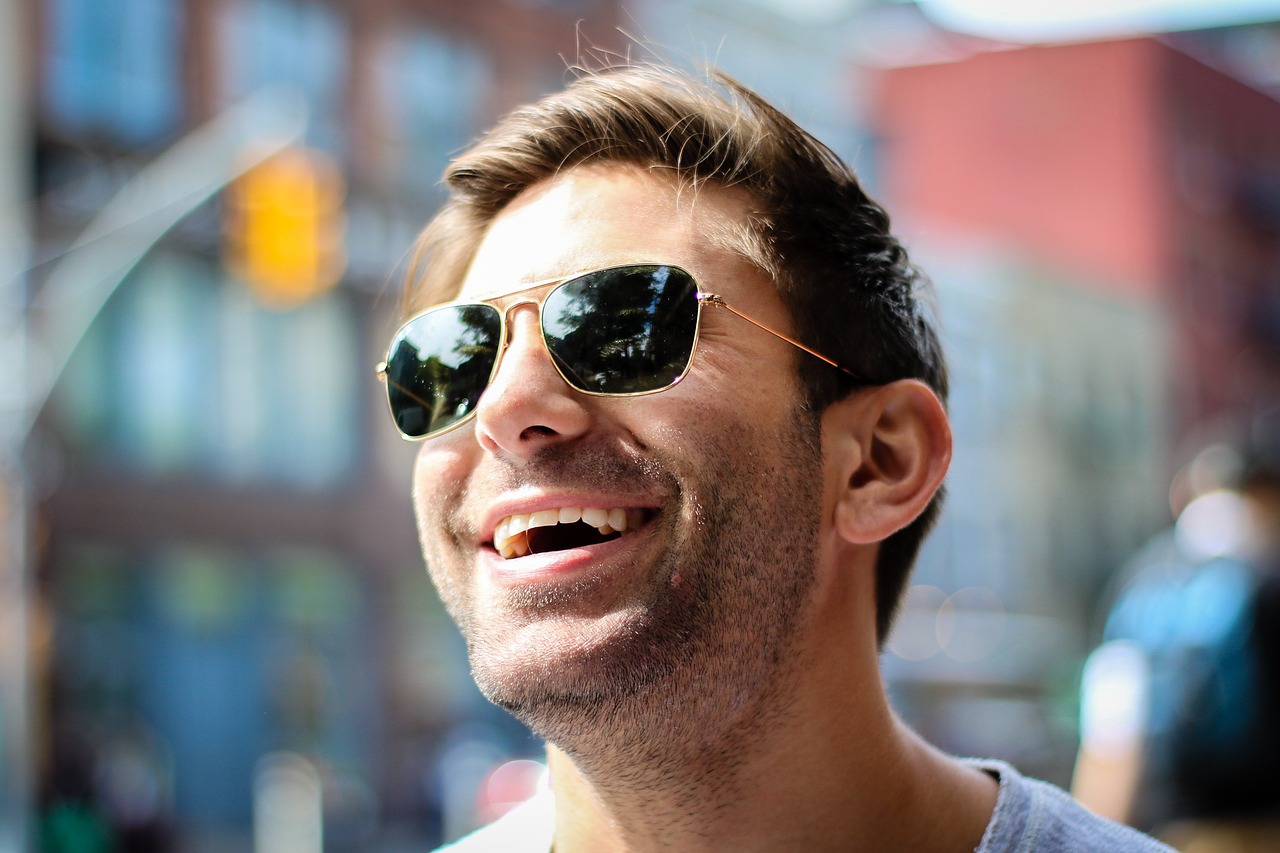
Sunglasses are far more than a style statement — they serve as a meaningful line of defense against long-term eye damage, glare-induced strain, and the cumulative health risks of UV exposure. Many people recognize iconic styles from brands such as ray-ban sunglasses, yet far fewer know how to evaluate the lens ratings, frame fit, and materials that genuinely safeguard their vision. Think of someone who regularly walks away from a day outdoors with a throbbing headache, despite wearing sunglasses the entire time — a frustratingly common experience that usually points to poor lens quality rather than any real protection. This guide cuts straight to the objective criteria that matter most, applicable to any brand or price point.
Why Sunglasses Matter for Eye Health
UV radiation, specifically UVA and UVB rays, causes cumulative ocular damage that builds silently over years. Ophthalmology associations consistently link insufficient UV protection to several serious conditions:
- Photokeratitis — essentially a sunburn on the eye’s surface, causing temporary but painful vision disruption
- Accelerated development of cataracts
- Potential contribution to macular degeneration
- Skin cancer risk on the eyelids and surrounding tissue
One of the most important principles to understand early on: dark lenses without proper UV protection can actually be worse than wearing no sunglasses at all. Behind dark lenses, the pupil naturally dilates. If those lenses fail to filter UV radiation, more harmful light reaches the eye than it would under ordinary daylight conditions — the opposite of the intended effect.
Understanding Lens Protection Ratings
When evaluating any pair of sunglasses, look specifically for labels reading “100% UV protection” or “UV400.” The UV400 designation means the lens blocks all UVA and UVB wavelengths up to 400 nanometers — the standard recommended by optical and consumer safety bodies for everyday use. That label matters far more than color, brand name, or price tag.
Separate from UV coverage, lens categories (numbered 0 through 4) describe visible light transmission, not UV filtering. Categories 0 and 1 are suited to overcast or indoor environments; Categories 2 and 3 cover everyday city wear; Category 4 is designed for extreme sun exposure but is generally not safe for driving. These two properties are entirely independent of each other, so always verify both.
Key takeaway: Always look for “100% UV protection” or “UV400” on the label, regardless of lens color or style.
Types of Lenses and How They Affect Vision
b>Polarized lenses work by filtering horizontally reflected light, which significantly reduces glare from water, roads, and snow. They are particularly valuable for driving and water-based activities. One trade-off worth knowing: polarization can reduce the visibility of certain digital displays, including instrument panels and smartphones. Crucially, polarization is not a substitute for UV protection — a quality lens should deliver both, independently.
On the subject of lens material: polycarbonate and plastic lenses are lightweight and impact-resistant, making them well-suited for sports and active daily use. Glass lenses offer superior optical clarity and scratch resistance, though they are heavier and more fragile. For children or physically active wearers, polycarbonate is generally the more practical choice.
Lens tints influence both comfort and color perception in ways that are easy to overlook. Gray lenses preserve natural color rendering and work well as an all-purpose option. Brown and amber lenses enhance contrast in variable light. Yellow, green, and other specialty tints serve specific purposes — low-light sports, for instance — but can noticeably alter color perception in everyday settings. The best approach is to choose based on your primary environment and activities, not on visual trends.
Frame Fit and Practical Comfort
Coverage and fit have a direct bearing on how well sunglasses actually protect your eyes. Larger or wraparound frames reduce the amount of stray UV light entering from the sides — an often-overlooked advantage. Equally important: a frame that slips down the nose or digs uncomfortably into the temples will simply get removed, and sunglasses sitting at the bottom of a bag offer no protection whatsoever.
A few practical fit checkpoints before purchasing:
- No pinching or pressure on the nose bridge
- Temples rest comfortably without digging behind the ears
- Frames remain stable when looking downward
For drivers and commuters, glare reduction and clear peripheral vision are the top priorities. For outdoor sports, impact resistance and a secure fit take precedence. Prescription wearers should explore dedicated prescription sunglasses or quality clip-on options rather than relying on non-prescription lenses worn over contact lenses alone.
Recognizing Quality and Avoiding Ineffective Products
Several warning signs point to poor-quality or potentially misleading sunglasses: absent or vague UV labeling, visible lens distortion, and flimsy construction. When shopping for branded sunglasses, counterfeits are a genuine concern — they frequently misrepresent UV protection while appearing visually convincing. Look for consistent, clean markings, model numbers and sizing details on the temples, and solid packaging free of printing errors. Purchasing from reputable retailers with clear return policies and verifiable contact information significantly reduces this risk.
Practical tip: To quickly test lens quality in-store, hold the glasses at arm’s length and slowly move them across a straight edge, such as a door frame. Any bending or wavering of the line indicates optical distortion — a reliable sign of inconsistent lens quality.
How to Choose Sunglasses Based on Your Needs
A straightforward decision framework helps cut through the noise of branding and aesthetics:
- Confirm 100% UV protection or UV400 — this is non-negotiable for any use case.
- Identify your primary environment: daily city commuting, driving, water sports, or high-altitude outdoor activities.
- Decide whether polarization genuinely benefits your conditions.
- Choose lens material based on durability needs, weight preference, and whether impact resistance matters.
- Select tint and style based on visual comfort and intended use — not trends.
This framework applies equally to any brand, including widely recognized names. Brand familiarity is a reasonable starting point, but no name alone guarantees adequate protection or a proper fit.
Final Takeaways
Sunglasses are a long-term investment in eye health, and they deserve to be chosen accordingly. Prioritize UV protection and optical quality above style or brand recognition. Match polarization, tint, and material to your real-world activities. Ensure a proper, stable fit so the glasses are actually worn rather than carried. Be cautious of unlabeled products and unverified sellers. And if you have existing eye conditions, light sensitivity, or require corrective lenses, consult an eye care professional for personalized recommendations — no general guide can substitute for that expertise.




Is An $11.99 Apple Mystery Box Worth It? Inside GOATbox.gg’s MacHead

A Better Fit: How Esteem Apparel Helps Men Dress With More Confidence

Upgrade Tips For The 2013–2017 Subaru Crosstrek: Practical Accessories, Protection, and Value

Is It Time To Replace Your Tires Before Winter?

Bentley Torcal Revealed: The First Electric Bentley Is Here, And It Means Business
Is It Time To Replace Your Tires Before Winter?
A Better Fit: How Esteem Apparel Helps Men Dress With More Confidence
Bentley Torcal Revealed: The First Electric Bentley Is Here, And It Means Business
Upgrade Tips For The 2013–2017 Subaru Crosstrek: Practical Accessories, Protection, and Value
Is An $11.99 Apple Mystery Box Worth It? Inside GOATbox.gg’s MacHead

Watch The Fast And Furious Trailer For ‘Hobbs & Shaw’

A Dance-Off For The Ages Broke Out At Monday Night’s 76ers Game

Netflix Drops ‘Black Mirror: Bandersnatch’ Trailer Ahead Of Release Tomorrow

Former NASA Engineer Gets Revenge On Package Thief With Glitter Bomb

Recent Comments