
Auto Essentials
Upgrade Tips For The 2013–2017 Subaru Crosstrek: Practical Accessories, Protection, and Value

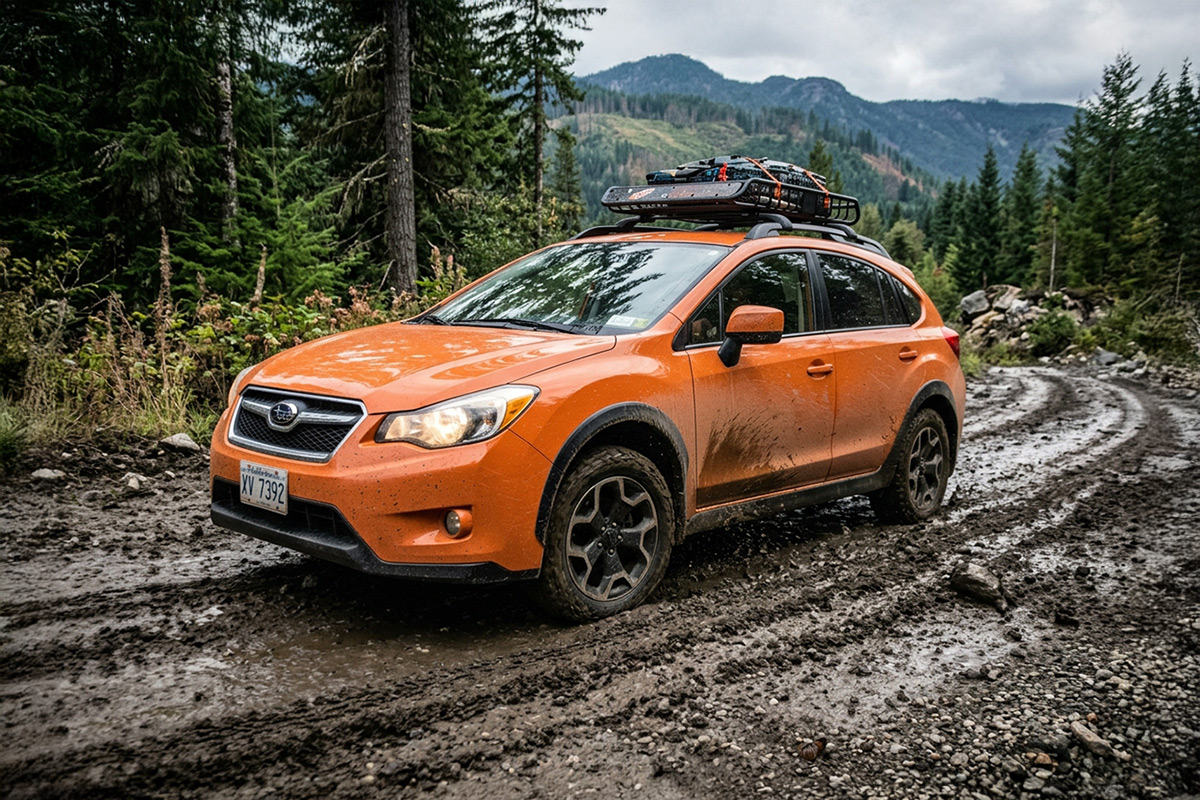
A Practical Guide to 2013–2017 Subaru Crosstrek Upgrades and Affordable Off-Road Accessories
The 2013–2017 Subaru Crosstrek is a compact crossover that has earned a loyal following for its sensible size, standard all-wheel drive and ability to cope with a wide range of road conditions. It’s the kind of car that handles the school run on Monday and a muddy campsite track on Saturday without much fuss. Whether it’s used for daily commuting, weekend camping or the occasional adventure down a gravel road, this generation strikes a useful balance between comfort and versatility. Thoughtful upgrades can still make it more capable, better looking and better suited to the places its owner actually drives.
Choosing the right accessories takes more than picking whatever looks best in a photo. Compatibility, build quality, installation requirements, weight and price all play a part in deciding whether an upgrade is genuinely worth it. A shiny new part that rattles on every pothole soon loses its charm. Understanding these factors helps owners make informed decisions while keeping their vehicles practical and dependable for years to come.
1. Start with Your Driving Needs
The best starting point is an honest look at how the Crosstrek gets used day to day. Drivers who spend most of their time on paved roads may get the most from protective equipment and better storage. Those who regularly head down unpaved routes, perhaps to a favorite fishing spot or a trailhead at the end of a rutted lane, might put underbody protection, tougher exterior parts and extra cargo space higher on the list.
The 2013–2017 Subaru Crosstrek has a compact design, so the best accessories work with its existing dimensions rather than adding unnecessary bulk. A worthwhile upgrade solves a specific problem without hurting visibility, handling, fuel economy or everyday convenience. A car that suddenly won’t fit into its usual parking space at the supermarket hasn’t really been improved.
It’s also wise to take stock of the vehicle’s current condition before modifying anything. Worn suspension parts, aging tires and overdue maintenance deserve attention long before cosmetic improvements do. A smart new bumper won’t make up for brakes that need replacing.
2. Consider Front and Rear Bumper Protection
Exterior protection can prove its worth for drivers who often deal with uneven trails, loose stones or cramped outdoor parking areas. When comparing subaru crosstrek front bumpers, it pays to look closely at the materials, mounting points, finish and how well each option works with the vehicle’s original equipment. Two bumpers that look almost identical online can be quite different once they’re bolted on.
A well-designed front bumper may offer extra protection in suitable off-road situations and provide mounting options for certain accessories. Even so, buyers need to check whether a particular design affects the factory crash structure, airbag sensors, approach angle or front-end clearance. These details matter far more than looks. Nobody wants to discover a problem with an airbag sensor after the fact.
In the same way, subaru crosstrek rear bumpers can appeal to owners who want more protection at the back or a more rugged exterior style. Before settling on one, it’s sensible to confirm the fitment, installation requirements and compatibility with existing components. A rear bumper that blocks the tailgate from opening fully would be a frustrating discovery on the first camping trip.
Bumper upgrades can add weight and affect handling or fuel consumption. They may also raise legal and insurance questions, depending on local regulations. For everyday drivers, a lighter and simpler setup often makes more sense than a heavy-duty configuration built for terrain the car will rarely see. It’s easy to buy for the adventure in the brochure rather than the commute that happens five days a week.
3. Add Storage with a Roof Rack
Cargo space can run out quickly when packing for a camping trip, a long road journey or a weekend of outdoor activities. Most owners know the moment when the tent, cool box and folding chairs simply won’t all fit in the back. A suitable roof rack gives another place to carry certain equipment, keeping the cabin tidier and leaving more room for passengers.
When weighing up a subaru crosstrek roof rack, it’s important to confirm that its mounting system suits the vehicle’s roof configuration and that the rack’s rated capacity matches the intended load. Owners also need to tell the difference between the rack’s own weight capacity and the vehicle manufacturer’s maximum roof-load limit. The lower of the two is the one that counts.
Roof-mounted equipment can raise the vehicle’s center of gravity and increase wind resistance. Heavy items may affect stability, while bulky cargo can add noticeable wind noise on the highway. That’s why careful load distribution, secure fastening and sticking to the manufacturer’s limits all matter. A strap that works loose at speed is something no driver wants to see flapping in the mirror.
A roof rack earns its place when it fixes a storage problem that keeps coming back. Occasional travelers may be perfectly happy with a basic crossbar setup, while keen campers might need a more specialized carrying arrangement. There’s little point paying for capacity that only gets used once a year.
4. Evaluate Aftermarket Brands and Build Quality
Aftermarket manufacturers take different approaches to vehicle customization, ranging from simple storage solutions to more substantial exterior accessories. When researching options, owners get a far clearer picture by comparing materials, manufacturing details, protective coatings, installation instructions and warranty terms rather than judging by product photographs alone. A well-lit photo can make almost anything look sturdy.
Hooke Road is one aftermarket brand with accessories designed for the first-generation Crosstrek. Its range includes tubular bumpers, roof racks, rocker guards and cargo organization equipment. These categories cover the common needs of owners who want to carry more gear or give their vehicles a more adventure-ready appearance.
For shoppers comparing Hooke Road 4×4 accessories with other aftermarket options, paint and surface finishing deserve particular attention. A consistent textured finish can improve the look of metal components, while protective treatments can help reduce corrosion caused by moisture and road debris. No coating is completely immune to scratches, chipped paint or years of exposure, though. A winter of salted roads will test any finish.
Price is another consideration. Accessories in this category can vary a great deal in cost, depending on their materials, dimensions and included hardware. Reasonably priced options can make customization more accessible, but the full cost is worth working out, including shipping, installation tools and any professional labor that may be needed. The cheapest part on the screen isn’t always the cheapest once it’s actually on the car.
5. Protect the Vehicle’s Sides and Organize Cargo
Side protection can be useful on narrow trails where branches, stones or uneven ground may scrape the lower bodywork. Anyone who has heard the long screech of a branch along the side of their car knows how unpleasant that sound is. Rocker guards are worth considering for drivers who meet these conditions regularly. Before installation, it’s sensible to check ground clearance, mounting strength and whether the design gets in the way of routine maintenance.
Interior cargo racks and other organizing accessories can also make everyday life easier. Keeping tools, recovery equipment and travel supplies secured stops them sliding around every time the car turns a corner. The best storage equipment keeps essential controls within easy reach and leaves the driver’s view completely clear. A loose torch rolling under the brake pedal is a problem worth avoiding.
6. Plan Your Budget Before Installing Upgrades
A sensible upgrade plan starts with a budget and a clear order of priorities. Maintenance and safety-related needs come first, followed by accessories that offer a genuine practical benefit. The fun additions can wait until the essentials are sorted.
Comparing at least two or three options for each major component is time well spent. Exact model-year compatibility, installation complexity, material specifications, finish, return policy and warranty coverage all deserve a look. Detailed customer feedback can also bring up issues that product descriptions don’t mention, such as a bracket that needed extra drilling or instructions that left out a step.
Fitting several heavy accessories at once without thinking about their combined effect is best avoided. Added weight can influence braking, suspension performance, fuel economy and handling. Professional installation may well be worth the money for components that need drilling, structural mounting or electrical connections. A weekend spent wrestling with a stubborn bracket can quickly cost more than a garage would have charged.
Conclusion
Upgrading a first-generation Crosstrek works best when every modification has a clear purpose. Bumpers can change the vehicle’s look and offer certain kinds of protection, roof racks open up more cargo-carrying possibilities, and storage accessories help keep equipment organized for daily use or outdoor travel. Each one should make the car better at the job its owner actually needs it to do.
Careful comparisons of build quality, protective paint finishes, fitment and overall cost make it much easier to find suitable aftermarket equipment. When compatibility and practical value come before appearance alone, owners can personalize their vehicles while keeping the reliability and versatility that make compact crossovers so useful in the first place. The right upgrades don’t change what the Crosstrek is. They just help it do more of what it already does well.



Upgrade Tips For The 2013–2017 Subaru Crosstrek: Practical Accessories, Protection, and Value

Is It Time To Replace Your Tires Before Winter?

Bentley Torcal Revealed: The First Electric Bentley Is Here, And It Means Business

TAG Heuer’s Carrera Chronograph Sport Returns With A Sharper, Smaller Design

A Smarter Chicago, Illinois Food Weekend: Pair Neighborhoods, Appetite, and Budget
Is It Time To Replace Your Tires Before Winter?
A Smarter Chicago, Illinois Food Weekend: Pair Neighborhoods, Appetite, and Budget
TAG Heuer’s Carrera Chronograph Sport Returns With A Sharper, Smaller Design
Bentley Torcal Revealed: The First Electric Bentley Is Here, And It Means Business
Upgrade Tips For The 2013–2017 Subaru Crosstrek: Practical Accessories, Protection, and Value

Watch The Fast And Furious Trailer For ‘Hobbs & Shaw’

A Dance-Off For The Ages Broke Out At Monday Night’s 76ers Game

Netflix Drops ‘Black Mirror: Bandersnatch’ Trailer Ahead Of Release Tomorrow

Former NASA Engineer Gets Revenge On Package Thief With Glitter Bomb

Recent Comments