
Auto Essentials
Is It Time To Replace Your Tires Before Winter?

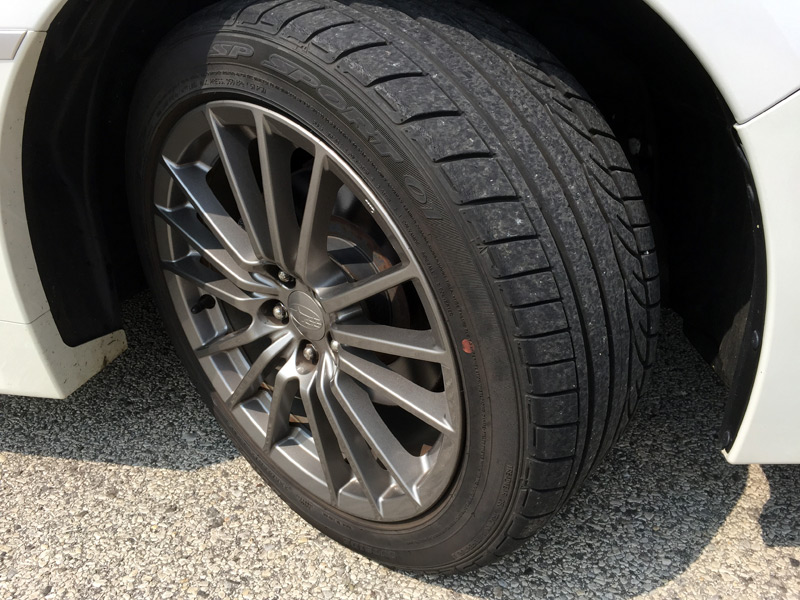
Tires rarely fail all at once. They wear gradually, harden with age and lose a little grip each season, which makes it easy to put off replacing them until the first snowy morning makes the decision to get new tires obvious. By then, every tire shop nearby is busy and the popular sizes may already be gone.
A few simple checks in the fall answer the question before the weather does.
This guide covers:
- Checking tread depth against winter thresholds
- Looking at tire age and condition
- How cold weather changes the picture
- Deciding whether to replace, switch or wait
At a Glance
| Takeaway | Detail |
|---|---|
| 2/32 inch is the legal floor | Most states consider tires worn out at 2/32 inch of tread. |
| Winter needs more tread | Trade guidance suggests replacing tires for snow at around 5/32 to 6/32 inch. |
| Worn tires stop longer | In wet testing, tires at 2/32 inch took nearly twice the distance of new tires to stop. |
| Age matters too | One major tire maker recommends replacing tires 10 years after manufacture, whatever the tread. |
| Sidewall damage is serious | Cuts, cracks and bulges can signal structural damage that cannot be repaired. |
| Cold lowers pressure | Tires lose roughly 1 psi for every 10 degree drop in temperature. |
| The placard figure still applies | Recommended pressure does not change between summer and winter. |
Check the Tread Against Winter Thresholds
Tread depth is the first and most important check. Tires are generally considered legally worn out at 2/32 inch, the point at which the tread meets the small wear bars molded between the grooves. That legal floor is far too thin for winter, though, because tread depth is what lets a tire move water and slush out of the way and bite into snow.
Trade guidance sets the bar much higher for cold-weather driving. Tires facing rain-heavy conditions are often due for replacement at around 4/32 inch, and tires expected to handle snow should be considered for replacement if only 6/32 inch remains at the start of the season. A simple tread depth gauge, measured in several grooves across each tire, gives a clear answer in a couple of minutes, and uneven readings across the tire can also point to alignment or pressure problems worth fixing.
The wear bars offer a quick visual check as well. When the tread surface has worn down level with those bars in any groove, the tire has reached 2/32 inch and needs replacing, whatever the season. Spotting them early, rather than at the next oil change, leaves time to plan the purchase.
For drivers in snowy regions whose tires are close to those thresholds, the snow winter tires at Discounted Wheel Warehouse are worth a look before December, simply because shopping in the fall leaves time to compare sizes and models and book fitting before the first storm. Waiting until the first snowfall tends to leave fewer choices and longer waits.
Look at Tire Age and Condition
Tread is only part of the story, because rubber ages even when it is not wearing out. A set that covers only a few thousand miles a year can look healthy while the compound underneath hardens and cracks. The tire’s age is easy to find in the DOT code on the sidewall, where the last four digits show the week and year it was made.
When the check shows replacements are due, finding the right size quickly matters. Starting with Discounted Wheel Warehouse’s tire search by vehicle narrows the options to tires listed for that year, make and model, and the size on the door placard or current sidewall confirms the match. It is worth checking the DOT date on the new tires as well, since tires can sit in storage for some time before they are sold.
According to Michelin, tires that have been in service for five years should be thoroughly inspected at least once a year by a trained tire professional, and the company recommends replacing tires ten years after their date of manufacture, regardless of remaining tread depth or apparent condition. Spare tires age too, which makes them worth checking at the same time.
Condition is the last part of the inspection. Michelin warns that cuts, cracks, bulges or blisters on the sidewall may indicate structural damage, and that sidewall damage cannot be repaired. Any tire showing those signs should be replaced before winter, whatever its tread depth.
How Cold Weather Changes the Picture
Cold weather affects tires in ways that make borderline tires worse. Family Handyman reports that tire makers such as Firestone and Goodyear estimate tires lose about 1 psi for every 10 degree drop in outside temperature, so a set that was correctly inflated on a mild afternoon can be noticeably low after a cold night. The recommended pressure on the door placard stays the same year-round, and checking after the car has been parked for at least three hours gives an accurate reading.
The rubber compound matters as well. Tire Review notes that all-season tires become less pliable once temperatures reach about 45 degrees, which reduces grip even before snow arrives. Worn tread compounds the problem. In Consumer Reports testing cited by Tire Review, a car on tires worn to 2/32 inch needed nearly twice the distance of one on new tires to stop on wet pavement from 70 mph, and at the point where the new tires stopped, the car on 4/32 inch tires was still traveling at about 45 mph.
| Tread depth | What it means for winter |
|---|---|
| Above 6/32 inch | Generally fine for winter if age and condition are also sound |
| 6/32 inch | Consider replacement before the season if snow traction matters |
| 5/32 inch | Remove from winter service if snow traction is a concern |
| 4/32 inch | Plan to replace where wet roads are common |
| 2/32 inch | Legally worn out in most states |
Those numbers explain why a tire that feels fine in October can struggle in January, when cold rubber, lower pressure and shallow tread all reduce grip at the same time.
Replace, Switch or Wait?
Once the checks are done, the decision usually falls into one of three paths. Tires with plenty of tread, no damage and a recent date code can generally go into winter with a pressure check and a rotation. Tires near the winter thresholds, or more than a few years old with signs of hardening, are better replaced now than in the middle of the season.
The third path is switching tire type. Drivers who see regular snow and ice may be best served by dedicated winter tires carrying the three-peak mountain snowflake symbol, which marks tires that have passed a measured snow traction test. Those who see occasional snow but want one set year-round may prefer all-weather tires, which carry the same symbol but are designed for use in every season.
Whichever path fits, tires work best as a matched set. Replacing tires in pairs at minimum, and fitting winter tires as a full set of four, keeps grip balanced between the front and rear of the car, which matters most on slippery roads.
Tires that stay on for the winter benefit from a little preparation. NHTSA advises rotating tires every 5,000 to 8,000 miles, if the vehicle manufacturer recommends it, or sooner if uneven wear appears, and fall is a convenient time to do it along with an alignment check. Evenly worn tires grip more predictably once the roads turn slick.
Final Thoughts
Whether to replace tires before winter comes down to tread, age, condition and the climate ahead. Measuring tread depth against winter thresholds, checking the date code, inspecting the sidewalls and correcting pressure for the cold give a clear answer well before the first snowfall.
Key Takeaways
- Measure tread depth and consider replacement for snow if 6/32 inch or less remains at the start of winter
- Check the DOT date code and sidewalls, and replace any tire with cuts, bulges or blisters
- Recheck pressure as temperatures drop, using the placard figure measured on cold tires
Fall is the right time to answer the question. The shoulder of a snowy road is the wrong one.
Frequently Asked Questions
How much tread do you need for winter driving?
Tires are legally worn out at 2/32 inch in most states, but that is far too little for winter. Trade guidance suggests considering replacement for snow when only 6/32 inch remains at the start of the season and removing tires from winter service at 5/32 inch if snow traction is a concern.
How do I know if my tires need replacing?
Check tread depth with a gauge or by looking at the tread wear bars, read the DOT date code to find the tire’s age, and inspect the sidewalls for cuts, cracks, bulges or blisters. Any tire with sidewall damage or tread at the legal limit should be replaced, and older tires deserve a professional inspection.
How old is too old for tires?
Michelin recommends that tires in service for five years be inspected at least once a year by a professional, and that tires be replaced ten years after their date of manufacture, regardless of tread depth or appearance. Tires on vehicles that are driven rarely can age before they wear out, so the date code matters as much as tread.
Why does my tire pressure drop in winter?
Air contracts as it cools, so tire pressure falls as temperatures drop. Tire makers estimate a loss of about 1 psi for every 10 degree fall in outside temperature. Check pressure after the car has been parked for at least three hours and inflate to the figure on the door placard, which stays the same year-round.
Should I replace all four tires before winter?
Replacing tires in matched pairs at minimum keeps handling balanced, and winter tires are best fitted as a full set of four so the front and rear of the car have similar grip. If only two tires are replaced, a tire professional can advise which axle should receive the newer tires.
Are all-season tires good enough for winter?
It depends on the climate. All-season tires become less pliable once temperatures reach about 45 degrees, which reduces grip in cold conditions. They may be adequate where winters are mild, but drivers who see regular snow and ice are usually better served by winter tires or by all-weather tires carrying the three-peak mountain snowflake symbol.



Is It Time To Replace Your Tires Before Winter?

A Smarter Chicago, Illinois Food Weekend: Pair Neighborhoods, Appetite, and Budget

FuelFest Brings Car Culture Spectacle To New Jersey This Saturday!

The Mercedes-AMG CLE 646 Is A 637-Horsepower Track Weapon

Aston Martin’s First Road Bike Is Here, And Only 300 People Will Own One
Aston Martin’s First Road Bike Is Here, And Only 300 People Will Own One

New Street Fighter Trailer Is Here, And It’s Everything We Wanted
FuelFest Brings Car Culture Spectacle To New Jersey This Saturday!

HUSH Pro Clipper: The Cordless Upgrade Your Head-Shaving Routine Needs

Krispy Kreme Just Dropped An Apple Cider Donut & A $5 Deal For Football Season

Watch The Fast And Furious Trailer For ‘Hobbs & Shaw’

A Dance-Off For The Ages Broke Out At Monday Night’s 76ers Game

Netflix Drops ‘Black Mirror: Bandersnatch’ Trailer Ahead Of Release Tomorrow

Former NASA Engineer Gets Revenge On Package Thief With Glitter Bomb

Recent Comments