Guy Stuff
Achieving A Perfect Credit Score: Benefits And How To Get There

Key Takeaways
- A perfect credit score is the highest possible score in credit scoring models.
- It can lead to lower interest rates, better loan terms, and increased financial opportunities.
- Maintaining a perfect score requires consistent financial responsibility.
Table of Contents
- Understanding Perfect Credit Scores
- Benefits of a Perfect Credit Score
- Achieving and Maintaining a Perfect Score
- Is a Perfect Score Necessary?
- Conclusion
Achieving a perfect credit score represents one of the highest goals in personal finance. For many, this milestone unlocks greater opportunities and provides more control over borrowing costs and financial planning. Understanding what’s involved and how striving for the highest credit score can affect your options is the first step toward lasting financial health.
A perfect credit score is not just a badge of financial honor. It can lead to real, tangible benefits across many aspects of life, including lower financing costs, better returns from financial products, and enhanced eligibility for a range of opportunities. By making consistent, smart credit decisions, individuals can work toward this coveted number and enjoy the peace of mind it brings.
The path to a perfect score is not quick, nor does it require perfection in every aspect. Rather, it demands consistency, discipline, and an understanding of the key factors credit agencies use to calculate your score. Familiarizing yourself with these aspects provides an excellent foundation for long-term success.
Before you set your sights on a perfect score, it’s helpful to know if it is truly necessary for your goals. Many benefits can be captured with an excellent score, even if not perfect. Knowing where to focus your energy allows you to pursue an approach best suited to your needs and aspirations.
Understanding Perfect Credit Scores
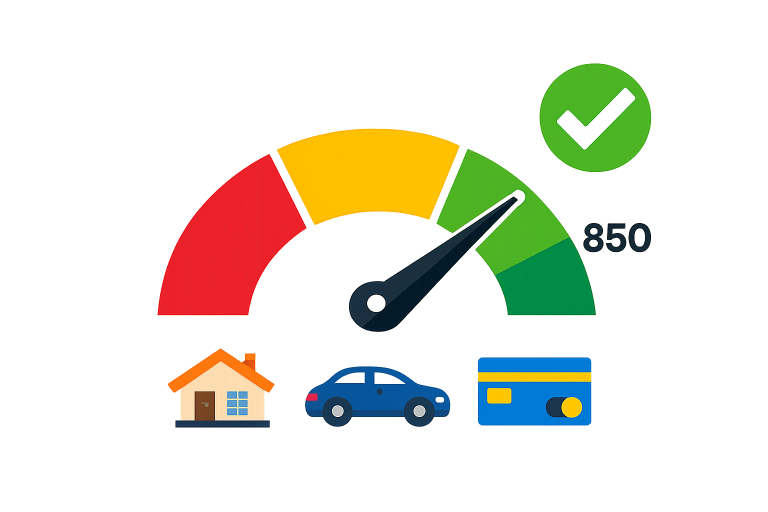
Credit scores typically range from 300 to 850, with 850 being considered a perfect score. Your score reflects your creditworthiness in the eyes of lenders and is determined by several factors: payment history, credit utilization, length of credit history, types of credit, and new credit inquiries. The main credit scoring models in the United States are FICO® and VantageScore®. Both offer 850 as their pinnacle score for consumers who demonstrate the strongest credit behaviors. According to Experian, very few people ever reach this height, but it remains a helpful and inspiring goal.
Benefits of a Perfect Credit Score
Maintaining a perfect credit score opens doors to some of the most favorable financial terms available. Here are the major advantages you can expect:
- Lower Interest Rates: Borrowers with exceptional scores are rewarded with the lowest rates on mortgages, personal loans, and credit cards, saving thousands of dollars over time.
- Better Loan Terms: Lenders are willing to offer more flexible loan terms, including higher credit limits and longer repayment periods, to those with flawless credit histories.
- Increased Financial Opportunities: A perfect or near-perfect credit score can open access to premium credit cards, competitive rental opportunities, and, in some cases, exclusive job offers that consider credit.
Even insurance companies may assess your score when determining premiums, which means a higher score could result in lower monthly costs, according to sources like NerdWallet.
Achieving and Maintaining a Perfect Score
Reaching a perfect credit score is less about achieving perfection with every action and more about consistently practicing excellent credit habits over time. Here are the key actions that contribute most to your score:
- Timely Payments: Always pay your bills on or before the due date to establish a strong payment history, which accounts for the largest portion of your score.
- Low Credit Utilization: Keep your credit card balances well below your limits. Using less than 30 percent of your available credit is ideal, but the lower your utilization, the better for your score.
- Long Credit History: The age of your oldest account, the average age of all your accounts, and the use of longstanding credit lines play a significant role. Keep older accounts open, even if you use them lightly.
- Diverse Credit Mix: Credit scores benefit when you manage a range of credit lines responsibly. This could include credit cards, auto loans, student loans, or a mortgage.
- Minimal New Credit Inquiries: Each time you apply for new credit, a “hard inquiry” appears on your report. Too many inquiries in a short period signal potential risk to lenders. Only apply for new credit as needed.
Is a Perfect Score Necessary?
Although a perfect credit score brings optimal lending terms, it is important to note that scores in the very high end of the range, often above 800, typically confer most of the same benefits. According to Experian, achieving a credit score of 800 or higher can unlock the best interest rates and access to premium products. Chasing absolute perfection may not be necessary for everyone, as “excellent” scores provide the essential financial advantages most consumers seek.
Conclusion
A perfect credit score is a rare achievement that unlocks the most attractive financial opportunities, from the lowest borrowing costs to premium rewards and eligibility. However, the fundamentals of reaching and maintaining a strong score are accessible for anyone willing to adopt responsible financial habits. Whether or not you reach 850, focusing on your score and your overall financial behavior ensures a secure and empowered financial future.




Aston Martin’s First Road Bike Is Here, And Only 300 People Will Own One

Krispy Kreme Just Dropped An Apple Cider Donut & A $5 Deal For Football Season

HUSH Pro Clipper: The Cordless Upgrade Your Head-Shaving Routine Needs

TAG Heuer’s Limited-Edition Monza Is A Tribute To Niki Lauda’s Title Run

Life Time Is Turning Your Gym Into A Social Scene With LT Social

American Airlines To Bring Back Seatback Screens, More Premium Seating

McLaren Finished Its Founder’s Unfinished Supercar Dream, The McL 6GT

Ford Mustang Dark Horse SC Convertible: 795 Horsepower Never Sounded So Good!

Gordon Murray’s S1 V12 Manual Supercar Is Basically A Modern McLaren F1

Ali G Goes To America To Reclaim His Glory In New “Who Iz I?” Trailer

Watch The Fast And Furious Trailer For ‘Hobbs & Shaw’

A Dance-Off For The Ages Broke Out At Monday Night’s 76ers Game

Netflix Drops ‘Black Mirror: Bandersnatch’ Trailer Ahead Of Release Tomorrow

Former NASA Engineer Gets Revenge On Package Thief With Glitter Bomb

Recent Comments