Guy Stuff
Injured In A Rideshare Or Car Crash?

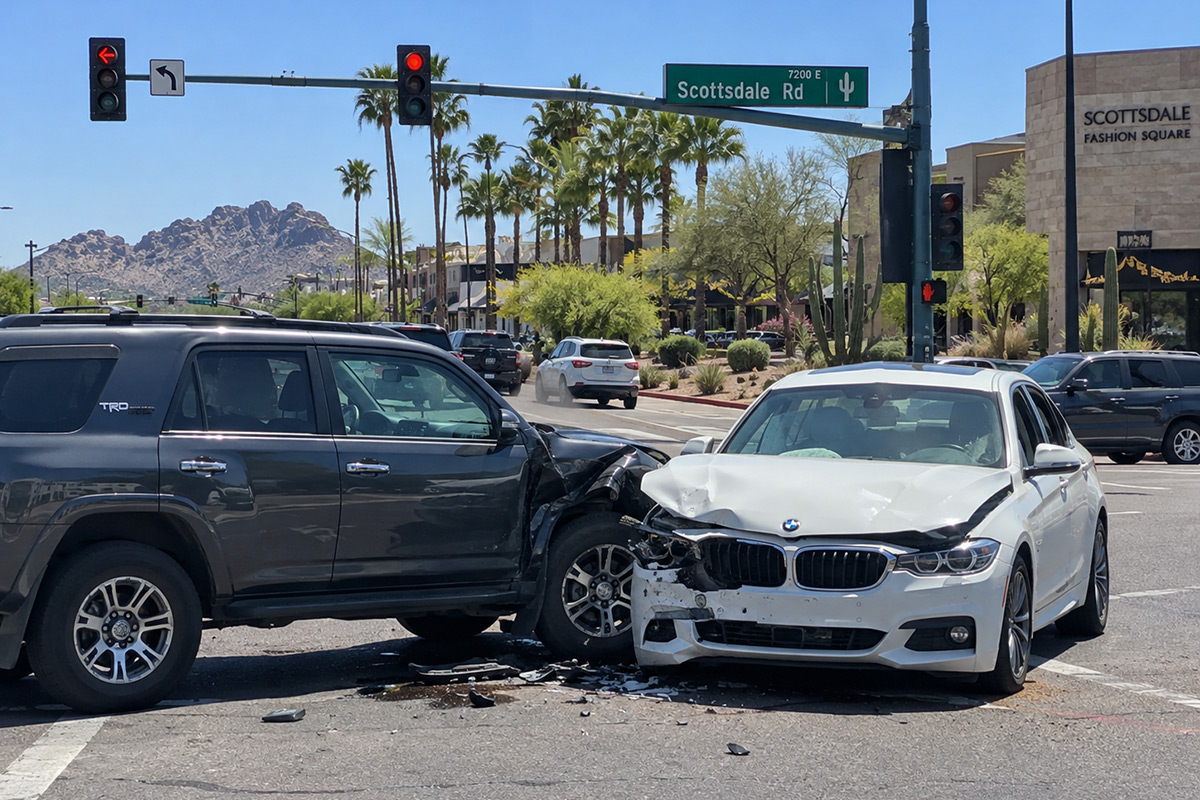
NHTSA’s early estimate puts 2025 road deaths in the United States at 36,640, a 6.7% decline from the 39,254 fatalities recorded in 2024. And while such accidents are declining, it is also true that these accidents still happen.
The aftermath of a rideshare or car accident can be difficult to predict. This is a combination of medical cost, wage losses, car damages, and even chronic physical pain. Careless statements or admitting fault before all facts are known may complicate insurance claims. That is why it’s important to know what not to say after a car accident when the case turns legal.
Determining who is responsible for an accident may depend on the circumstances of the crash, driver negligence, available insurance coverage, and whether the driver was transporting a passenger or waiting for a ride request.
Understanding these factors can help injured people explore their options for compensation. Let’s take a closer look at what to consider after a rideshare or car crash.
What Gets Said at the Scene
The immediate moments after the accident can affect an insurance claim for months.
Those parties responsible for the accident will automatically offer an apology, say that they are fine before realizing that they have sustained some injuries, and give their estimation of the speed of the vehicles involved. This is natural, but it is always helpful to remain calm and be honest about what happened.
Injuries usually develop slowly. Whiplash, back injuries, and concussions are some injuries that manifest after hours and even days after the accident has occurred, and the declaration made by the curb may survive its time of utterance.
Insurance companies tend to tape-record conversations, and the first offers of settlement usually come within the first week.
Rideshare Crashes Add a Layer
Regular accidents have two drivers and two policies, while rideshare accidents may include the individual’s own policy, the company’s policy, and the problem of whether the information on the app was correct at the time of the crash.
In Southwest Florida, Justin P. Caldarone’s firm has a Naples rideshare accident lawyer page devoted to Uber and Lyft collisions that walks through those app phases and lists a $4 million auto negligence verdict among its results. The same app phases come up in rideshare crashes across the country.
Minimum coverage details are determined by state law, and Florida provides such details in its transportation network company law. While a driver is signed onto the service and available to receive a request, minimum coverage needs to be at least $50,000 per person and $100,000 per accident for bodily injury and $25,000 for property damage.
Once the driver accepts and is carrying out a prearranged ride, the minimum jumps to $1 million.
When the app is off entirely, the driver is simply a driver using a personal car, and the claim generally runs against that driver’s own policy. Personal policies do not always cover commercial driving, which is one reason the app status matters so much.
Sorting Out Who Pays
The rideshare passenger, the driver that is hit by the rideshare vehicle, and the pedestrian hit while crossing the crosswalk all have different coverages.
Certain states have a no-fault system, where initial medical bills go through the coverage of the injured party through personal injury protection before filing claims for negligence. In the state of Florida, the rideshare legislation ensures this in their mandatory coverage requirement.
Uninsured and underinsured motorist coverage is usually considered when the at-fault driver has no insurance or too little to cover the losses. There are some complexities involved when one considers coverage from the individual’s own insurance, another’s insurance from the same household, and the rideshare coverage.
Records That Help Later
A rideshare accident creates digital evidence that is not created by an ordinary car accident. Trip receipts, in-ride data, driver data, and screenshots of the app screen will help to determine what stage the ride was at. The rest will be filled with police reports, pictures of the accident scene and vehicles, and names of the witnesses.
Deadlines differ according to each state, and some states have changed their deadlines recently. In most cases, the countdown starts on the day of the accident. For instance, in Florida, the deadline for negligence lawsuits has been decreased from four years to two in 2023.
Whether the ride was a daily commute or a trip home from the airport, the steps look much the same. The first thing to do is check the medical needs of everyone. Restraint about fault and a full set of records from the app. The hospital tends to give an injured person the clearest shot at a claim that reflects what the crash actually cost.




Is An $11.99 Apple Mystery Box Worth It? Inside GOATbox.gg’s MacHead

A Better Fit: How Esteem Apparel Helps Men Dress With More Confidence

Upgrade Tips For The 2013–2017 Subaru Crosstrek: Practical Accessories, Protection, and Value

Baywatch Is Back: FOX Drops The First Full Trailer For The Reboot

Is It Time To Replace Your Tires Before Winter?
Is It Time To Replace Your Tires Before Winter?
A Better Fit: How Esteem Apparel Helps Men Dress With More Confidence
Upgrade Tips For The 2013–2017 Subaru Crosstrek: Practical Accessories, Protection, and Value
Is An $11.99 Apple Mystery Box Worth It? Inside GOATbox.gg’s MacHead
Baywatch Is Back: FOX Drops The First Full Trailer For The Reboot

Watch The Fast And Furious Trailer For ‘Hobbs & Shaw’

A Dance-Off For The Ages Broke Out At Monday Night’s 76ers Game

Netflix Drops ‘Black Mirror: Bandersnatch’ Trailer Ahead Of Release Tomorrow

Former NASA Engineer Gets Revenge On Package Thief With Glitter Bomb

Recent Comments