Sports
LIV Golf Is Officially Done: How A $5 Billion Gamble Fell Apart

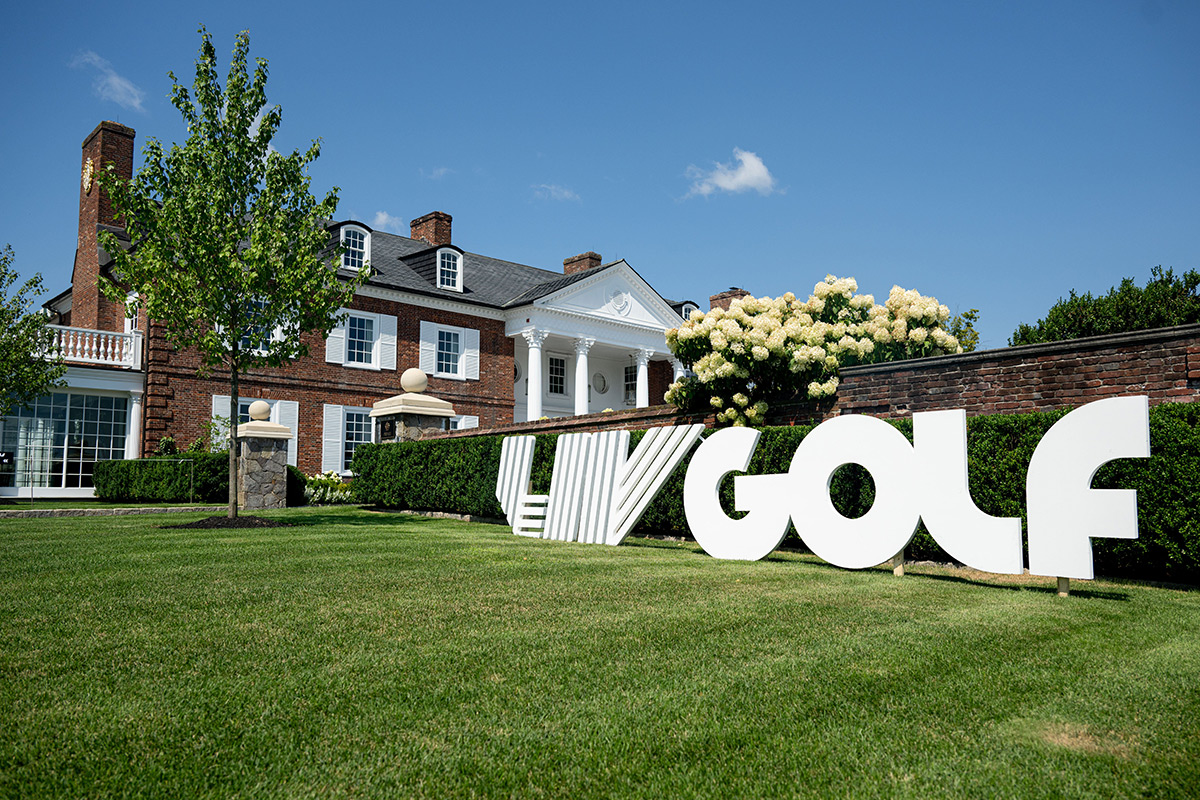
LIV Golf
The league that promised to shake up professional golf has run out of road. After five years, more than $5 billion spent and one last scramble to find a new backer, LIV Golf is shutting down. If you followed the drama from the first nine-figure contract to the final bankruptcy filing, here is everything you need to know about how it ended.
The Final Hearing Lasted Just 13 Minutes
Shockingly, it took a New Jersey bankruptcy court only 13 minutes yesterday to close the book on the league. LIV’s lawyers announced that they were pivoting from restructuring to full liquidation. The league’s remaining assets, including real estate and trademarks, will be sold off as the company gradually shutters, and the official wind-down set to begin November 9.
The goal is no longer to build a leaner “2.0” version of the tour. The bankruptcy process will now focus on paying creditors from the league’s assets. LIV attorney Matthew Williams of Gibson Dunn put it bluntly in court: “We believe the wind-down path is the best path.”
“In light of the current circumstances, we believe shifting toward an orderly wind-down is the most responsible path forward for the League at this time,” said Gene Davis and Jon Zinman of LIV Golf Board’s Special Committee in a statement.
The league has also said it would stay open to any third-party offers that could squeeze more value from its assets, though nobody is expecting a last-minute hero.
How We Got Here: The Saudi Money Disappears
LIV launched back in June 2022 with its first event in London, backed by Saudi Arabia’s Public Investment Fund (PIF). Greg Norman was the outspoken CEO, and PIF chairman Yasir Al-Rumayyan was the league’s governor and biggest supporter. Together, the two lured Phil Mickelson, Bryson DeChambeau, Brooks Koepka and Dustin Johnson away from the PGA Tour with nine-figure guaranteed contracts.
The PIF cited a strain on its assets amid the war in Iran when it walked away in April. That decision started the dominoes falling. CEO Scott O’Neil canceled two events to conserve cash, the team championship was scrapped, and LIV filed for Chapter 11 bankruptcy on Sept. 8.
Even as the league fought to survive, the money flowed in some interesting directions. Court records show LIV paid $15.6 million to retain seven executives, including $6.375 million to O’Neil, in the months between the PIF exit and the bankruptcy filing.
The Last Lifeline: BC Partners and the “2.0” Plan
The rescue plan centered on BC Partners Credit, which pledged up to $300 million to carry LIV through a restructuring. The pitch was a new financial model that gave players equity in the league instead of massive guaranteed contracts and splashy purses. The league even brought in former TaylorMade CEO Mark King as a senior advisor on October 26 to help guide the transformation, just days before everything unraveled.
In early October, optimism was running high. “We’re going to start hiring back employees and planning for next year’s events. All systems go,” BC Partners co-founder Ted Goldthorpe said on October 6.
It did not last. Sources told The Athletic that BC Partners had secured 2027 commitments from more than 30 players, but 10 more golfers, including several stars, let the October 25 deadline pass without agreeing to the new model. LIV’s board believed a path forward existed if that group signed on. BC Partners decided it had run out of runway first and pulled its bid before they could decide.
The firm said it still believed in the concept. “BC Partners Credit supported a transaction that aligned the interests of players and investors, offering a credible path toward building a sustainable future for LIV Golf,” the company said in a statement. “While there was great support for the league, we are disappointed that mutually acceptable terms could not be reached among the various stakeholders.”
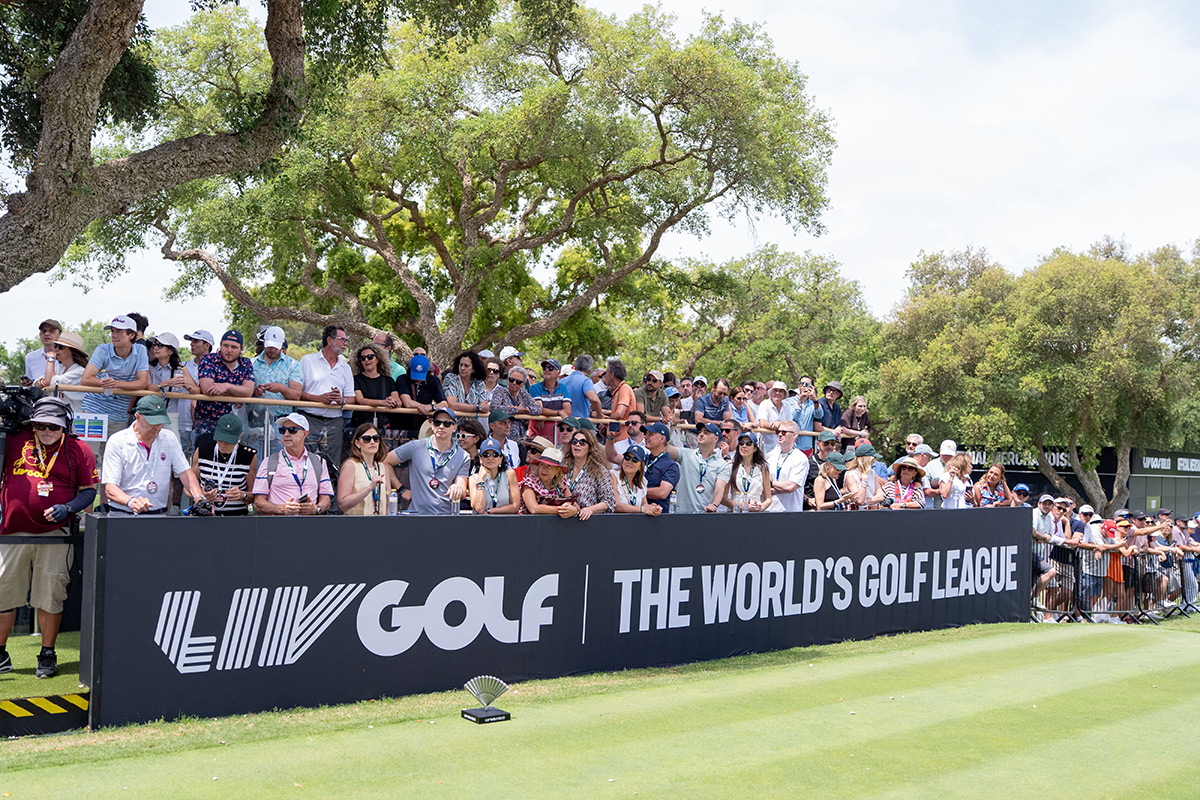
LIV Golf
The Stars Who Walked Out
The player exodus was the real killer. While LIV never published a list of who was staying for 2027, the names heading for the exits told the story. Jon Rahm, the league’s top player, and Ryder Cup star Tyrrell Hatton both announced they would not join LIV 2.0. Original mainstays Sergio Garcia, Louis Oosthuizen, Ian Poulter and Graeme McDowell made it clear they were leaving too. Rising talents Tom McKibbin and David Puig were out as well.
The European circuit added pressure with a harsh ultimatum, reportedly saying anyone who signed with LIV 2.0 need not apply for membership on the DP World Tour. Trading guaranteed millions for equity in a shaky startup was a tough sell when the alternative was keeping a spot on the established tours.
Why It Never Quite Clicked
LIV swung big on format: 3-day, 54-hole events, team competition and a festival atmosphere where live music mattered nearly as much as birdies. It worked in places like Australia and South Africa, where crowds reached the hundreds of thousands. It never caught on in the United States, where the TV audience was a fraction of the PGA Tour’s and sponsors stayed away in the early years.
That created a revenue problem. One breakdown of the bankruptcy filings by Golf.com pointed out that television money made up only about 5% of LIV’s revenue, which is a rough spot for a league built to rival the PGA Tour. Without a big broadcast deal, the business leaned almost entirely on Saudi funding. When the funding disappeared, there was nothing underneath.
What LIV Actually Delivered
For all the criticism, LIV left a mark. The league held 62 tournaments across every continent where golf is played except South America. In 2026, it featured 57 players from 21 countries competing in 10 countries, and the league says its broadcasts reached nearly one billion households. It also gave us some memorable moments, including DeChambeau’s 58 and Anthony Kim’s comeback win in Australia after a 12-year hiatus.
Critics also argued LIV served as a vehicle for Saudi Arabia to improve its reputation, a charge the Saudi government denies. Whatever your view, the league forced the PGA Tour to rethink how it pays its players and treats its stars.
O’Neil took a reflective tone in the league’s closing statement. “Building a global platform designed to bring new, younger, and more diverse fans to the sport of golf has been the round of a lifetime for all of us,” he said. “LIV Golf was fun, demanding, inspiring, at times challenging — but always rewarding.”
What Happens to the Players Now
The golfers who left the PGA Tour for LIV now face an uncertain road back. The PGA Tour has been hesitant to open new pathways for returning players, though some could regain playing cards through traditional qualifying routes. Others have been quietly lining up deals elsewhere, and a few are already competing on the DP World Tour.
For fans, the biggest takeaway is that the era of two rival tours is ending. Whether the PGA Tour absorbs the best of LIV’s ideas, like team golf, shorter formats and louder events, remains to be seen. What is certain is that golf will not look the same, and the next chapter will be written by whoever picks up the pieces.













Ridgeline Summit Review: An American-Assembled Adventure Watch Built To Last

2028 Ford Mustang GTD 1901 Wears Henry Ford’s Winning Colors

Krispy Kreme Just Dropped A Thanksgiving Doughnut Collection!

Is Primal Viking Legit? A Look At Ancestral Nutrition For Modern Guys

The Timeless Appeal Of The Polo Shirt In Men’s Fashion
The Timeless Appeal Of The Polo Shirt In Men’s Fashion
Is Primal Viking Legit? A Look At Ancestral Nutrition For Modern Guys

Aston Martin & Glenfiddich Unveil 28-Year-Old Single Malt Built For Collectors

Wyndham Rewards’ Homes & Havens Puts Extraordinary Escapes Within Reach
Krispy Kreme Just Dropped A Thanksgiving Doughnut Collection!

Watch The Fast And Furious Trailer For ‘Hobbs & Shaw’

A Dance-Off For The Ages Broke Out At Monday Night’s 76ers Game

Netflix Drops ‘Black Mirror: Bandersnatch’ Trailer Ahead Of Release Tomorrow

Former NASA Engineer Gets Revenge On Package Thief With Glitter Bomb

Recent Comments