Guy Stuff
Slip and Fall Claims On Unsafe Property

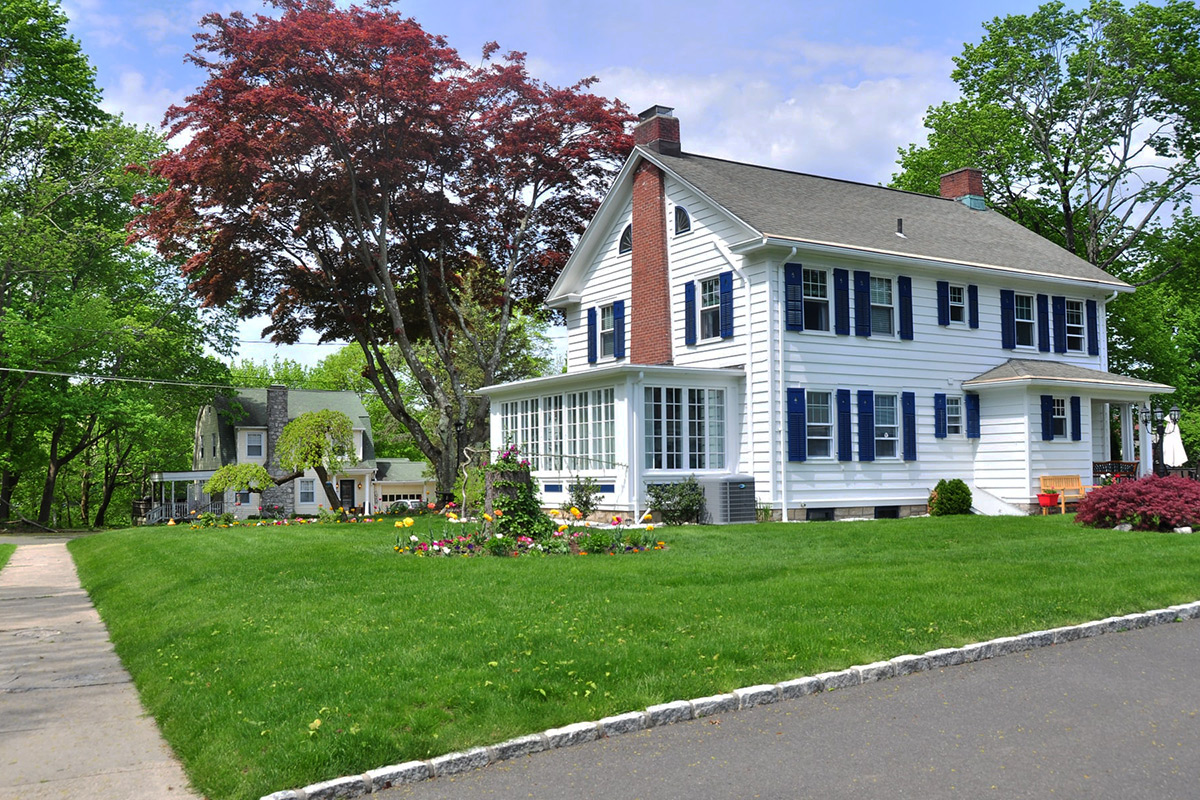
Even falls that don’t seem severe can still result in major complications. If a person falls in a supermarket or apartment staircase, there is a risk of them fracturing a bone, tearing a ligament, or even sustaining a traumatic brain injury that will take some time to recover from.
Falls often result in major injuries for elderly people, as CDC data show that roughly 25% of individuals aged 65 and older experience a fall annually, resulting in more than 3 million ER visits every year.
Many falls occur on another person’s property, and many others happen in someone’s own home.
What Makes Property Unsafe
Owners and managers do not have to guarantee that nobody ever trips. There are narrower questions in most slip and fall cases. Is the hazard present? Did the person responsible for the property know, or should they have known, about this hazard? Did they fail to fix it or even warn people about it in time?
Fall injuries are frequently the result of slip-and-fall incidents, such as when customers are subjected to uncarpeted wet surfaces without signage warning customers, loose carpets, worn stairs, stairs without handrails, and slippery, unlighted walkways outside buildings.
Snow and ice contribute to fall accidents. This scenario is especially true in the presence of uneven sidewalks, tree roots, broken railings, poor lighting, and cracked pavements.
In western Pennsylvania, an injury from a slip and fall accident does not automatically mean that the property owner or business is to blame. According to a Pittsburgh slip and fall lawyer in a website overview, a claimant must first show that the property was unsafe. Proving fault then requires showing that the owner knew about the hazardous condition or should have reasonably known about it.
Why Notice Carries So Much Weight
Proving a hazard existed is usually the easy part. Proving the owner knew about it, or should have, is where many cases face issues.
Courts normally distinguish between two kinds of notice, and these are actual notice and constructive notice.
When the landlord, owner, or an employee knew about a problem, whether through a complaint, a report, or direct observation, that person is deemed to have “actual notice” of the issue. This applies to reported spills but can also refer to tenants complaining about problems.
An owner had constructive notice if the issue was so apparent or had existed for long enough that a diligent inspection should have revealed it.
Premises liability lawsuits establish notice of dangerous conditions on premises through documentation. Examples of documentation include maintenance logs, complaint histories, and inspection records.
A hazard that occurred thirty seconds before a fall won’t provide an owner with time to notice it. A puddle from a leaking cooler that employees walked past throughout the afternoon presents a more substantial case for negligence.
When the Injured Person Shares the Blame
Property owners argue that the person who fell should have been watching where they were going. This argument can reduce or defeat a claim depending on the state.
New York follows a pure comparative approach. In the state, a claimant’s own culpable conduct does not bar recovery. Still, the damages shrink in proportion to that share of fault. If someone is found 30% responsible for their own fall, they can still recover 70% compensation.
Pennsylvania has a stricter rule. Pennsylvania’s comparative negligence statute allows recovery only where the plaintiff’s negligence was not greater than the causal negligence of the defendants, and it reduces the damages by the plaintiff’s share. Cross the halfway mark and the claim fails.
Two falls with identical facts can end very differently on opposite sides of a state line.
The Evidence That Tends to Decide These Cases
Slip and fall accident evidence can disappear within a brief period of time. There are cases where accidents happen, and spills are wiped, steps are repaired, and even ice melts in a few minutes.
The circumstances before the scene shifts could also clarify what caused the fall. Aside from incident reports, safety footage, witness testimonials, and the victim’s footwear, other relevant evidence includes medical records. These documents could confirm the fall as the origin of the injuries. Delayed treatment could bring about certain doubt and give the defense room to argue that something other than the fall caused the injuries.
Many retail property owners and property managers commonly maintain cleaning and inspection records. These records are helpful for establishing how often the owner or manager checked the property for hazardous conditions. How long any particular hazardous condition was present on the property will also be looked at.
Claims based on slip and fall injuries can usually be decided based on whether the owner of the premises knew or should have known about the danger, how long they had to correct it, and the extent to which the injured person contributed to the injury. These laws are very different depending on the state.




Is An $11.99 Apple Mystery Box Worth It? Inside GOATbox.gg’s MacHead

A Better Fit: How Esteem Apparel Helps Men Dress With More Confidence

Upgrade Tips For The 2013–2017 Subaru Crosstrek: Practical Accessories, Protection, and Value

Baywatch Is Back: FOX Drops The First Full Trailer For The Reboot

Is It Time To Replace Your Tires Before Winter?
Is It Time To Replace Your Tires Before Winter?
A Better Fit: How Esteem Apparel Helps Men Dress With More Confidence
Upgrade Tips For The 2013–2017 Subaru Crosstrek: Practical Accessories, Protection, and Value
Is An $11.99 Apple Mystery Box Worth It? Inside GOATbox.gg’s MacHead
Baywatch Is Back: FOX Drops The First Full Trailer For The Reboot

Watch The Fast And Furious Trailer For ‘Hobbs & Shaw’

A Dance-Off For The Ages Broke Out At Monday Night’s 76ers Game

Netflix Drops ‘Black Mirror: Bandersnatch’ Trailer Ahead Of Release Tomorrow

Former NASA Engineer Gets Revenge On Package Thief With Glitter Bomb

Recent Comments