Guy Stuff
Harley Davidson Shocks: Key Components For Comfortable Rides

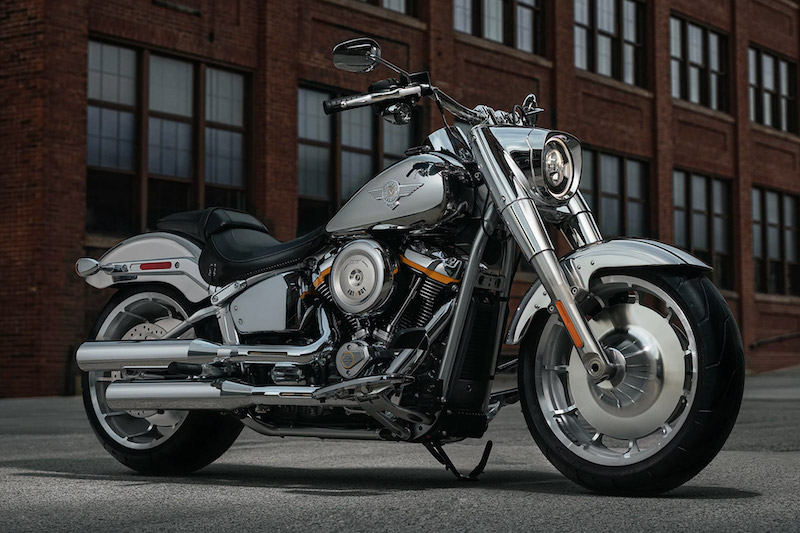
Few bike brands are as steeped in tradition as Harley-Davidson. Softails, Street Glides and Sportsters are instantly recognizable for their imposing size, the rumble of the timeless V-twin and the attention to mile-crunching comfort.
To counter the weight of bike and rider, Harley sticks to tried and tested dual shock setups in Touring models, hidden behind well-appointed saddlebags, and only recently moved to a single rear monoshock in Softail models.
Both feature high levels of adjustability and customisation, allowing riders to change preload rates to match riding style and when riding two-up. And both can be swapped with more capable aftermarket options.
Why the Shocks in Your Harley Matter?
Past technological innovations and design changes are still evident in how Harleys of today are named. Glide models are all about touring comfort, with 1950s Hydra-Glides introducing hydraulic front forks, and Duo-Glides adding a rear shock to distinguish them from their Hardtail siblings. This established the touring bike aesthetic that has continued till today.
The addition of rear shocks greatly improved rider comfort, eliminating jarring and jolting from uneven roads and ensuring the bikes were more stable at high speeds and in corners. A key concern was also to eliminate ride fatigue and reduce vibrations (with complementary additions like isolating engine mounts) so bikes could truly live up to the “Touring” moniker. The pivotal role, nevertheless, was that of rugged and resilient Harley-Davidson shocks.
The parts isolate the rider from the road and actively control stability and damping, countering oscillations from road bumps and uneven surfaces. This damping action eliminates sudden jarring and unexpected movements that could lead to loss of control. Shocks additionally keep tyres firmly glued to the road, thereby increasing traction, particularly when accelerating and cornering.
Handling is also improved. Finely-tuned Harley Davidson rear shocks help riders manage the weight of the bike by preventing excessive pitch, roll and dive evident in changing road and riding conditions. For most Harley owners, comfort is the main reason they choose larger tourers or cruisers. Here, too, shocks play a major part.
The suspension parts work with springs and front forks in absorbing impact from bumps, potholes and other road irregularities, protecting the rider (and passenger) from jarring movements that are otherwise transmitted to the body. Comfort can also be customized to personal preferences, with simple changes to preload, compression and rebound rates.
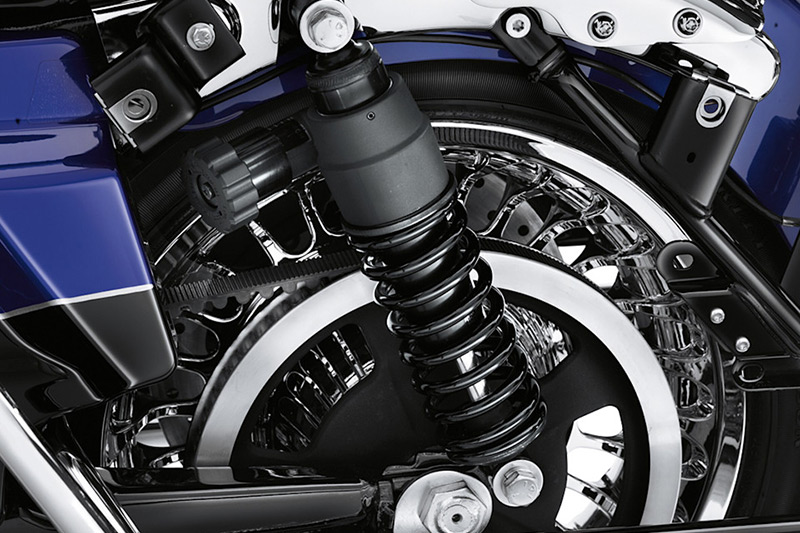
The Right Time to Change the Stock Shock Absorbers
How long factory shocks last depends on multiple factors – how and where you ride, whether you ride solo, with a passenger or have a few straddled bags for those longer journeys. Most shocks will gladly deliver over 30,000 miles of riding comfort and damping functionality. But being harder on the brakes, or eager on the throttle, eats into that number fast.
Common issues include visible oil leaks on the shock body or shaft. This is the hydraulic fluid reliable for damping leaking from worn or corroded seals, damaged air lines or failing air valves. Higher mileage, excessive heat and pressure, and dirt and moisture accumulating on the shock pistons are the main causes. Riders will notice a bouncier ride, vague steering feel and decreased stability.
Low fluid levels can also cause a rough ride, with the shocks and springs prone to bottoming out when hitting potholes. Failing shock absorbers additionally translate to wear in supporting parts, with rear tyres often seeing uneven tread wear and clunking noises emanating from worn mounting bolts and bushings.
Replacements and Upgrades
Factory setups vary by bike family. Touring bikes like the Street, Road and Ultra Glides use two emulsion-style monoshocks at either side of the rear wheel. These have threaded adjusters for preload, meaning quick changes when adding luggage or a passenger. The design utilises a single chamber where nitrogen gas and shock oil mix freely, with no physical separator.
This prevents aeration, or foaming and a loss of damping force, better than standard shocks, resulting in a smoother ride and improved handling and control. Moreover, the high degree of adjustability for weight and height and the use of relatively large shock pistons and low viscosity oil ensure more versatility and improved performance over the long term.
Softails from 2018 onwards go with a single monotube emulsion coilover shock straddling the rear subframe and swingarm. The design retains the classic Hardtail aesthetics while sitting on a lighter and stiffer frame and offering superior damping than the dual shock setups in pre-2018 bikes. Like the assemblies in the tourers, these too can be adjusted to suit riders of different statures and varying road conditions. The setup also fits the Softail family’s intended purpose – that of shorter, more frequent city rides.
While Harley designs and engineers its own shocks (and all factory units are Harley Davidson branded), it closely collaborates with suspension specialists, including Showa, Ohlins, FOX Factory and Legend Suspensions. These collaborations are commonly seen in bikes higher up, particularly in the Screamin’ Eagle range and combine with aftermarket builders like Bitubo, Progressive Suspension and K-Tech Suspension for next-level performance, comfort and adjustability.
Coilovers
Where precise control over damping, compression and rebound rates matter – choose aftermarket coil-over-spring assemblies. These have springs directly sitting over the shocks, and can be fine-tuned for compression and rebound. Setups are usually calibrated for a firmer ride, resulting in increased tyre traction, less dive on harder braking and a more stable ride in tight turns and at higher speeds.
Popular options are the Legend Suspension Revo-A with billet aluminium coilovers in anodised black, hand adjustment and high weight loading (500+pounds); the Ohlins STX36 series with precision CNC-machined components, low-friction shafts and the full range of adjustments for riders of all sizes. The Progressive Suspension 412 Series is great for tighter budgets, the 444 Series for automatic adjustments, and the 490 Series for superior damping control.
Air Suspension Upgrades
These are primarily used on Touring models, replacing traditional metal spring and shock setups with inflatable air springs. Riders benefit from instant pressure, height and firmness adjustment (with handlebar-mounted gauges and controls ), significantly improved comfort for a plusher ride, and the ability to handle more weight with included passengers and luggage. Popular air suspension choices are Harley Davidson shocks from Legend Suspensions, specifically the Legend Air-A series.
Remote Reservoir/Piggyback Shocks
Modified bikes tuned for more power benefit from remote reservoirs and piggyback shock absorbers. These are high-performance Harley shocks that utilise an external canister housing additional pressurised oil and nitrogen gas. The designs address common issues in single, enclosed designs (monotube coilovers), such as shock fade and aeration, by improving heat dissipation in spirited riding.
Besides higher adjustability, both remote and piggyback options (with canisters bolted directly to the shock body) also include longer suspension travel, able to soak up larger road irregularities. Popular upgrades here are Bitubo WMT with 12-click adjustment settings and the FOX Factory QS3 with quick switches that let riders choose between maximum comfort, extra support in hard braking or more responsive handling.




Aston Martin’s First Road Bike Is Here, And Only 300 People Will Own One

Krispy Kreme Just Dropped An Apple Cider Donut & A $5 Deal For Football Season

HUSH Pro Clipper: The Cordless Upgrade Your Head-Shaving Routine Needs

TAG Heuer’s Limited-Edition Monza Is A Tribute To Niki Lauda’s Title Run

Life Time Is Turning Your Gym Into A Social Scene With LT Social

American Airlines To Bring Back Seatback Screens, More Premium Seating

McLaren Finished Its Founder’s Unfinished Supercar Dream, The McL 6GT

Ford Mustang Dark Horse SC Convertible: 795 Horsepower Never Sounded So Good!

Gordon Murray’s S1 V12 Manual Supercar Is Basically A Modern McLaren F1

Ali G Goes To America To Reclaim His Glory In New “Who Iz I?” Trailer

Watch The Fast And Furious Trailer For ‘Hobbs & Shaw’

A Dance-Off For The Ages Broke Out At Monday Night’s 76ers Game

Netflix Drops ‘Black Mirror: Bandersnatch’ Trailer Ahead Of Release Tomorrow

Former NASA Engineer Gets Revenge On Package Thief With Glitter Bomb

Recent Comments