Guy Stuff
Immersing Yourself In Italy: A Journey Through Culture, Cuisine, and History


Table of Contents
- Italy’s Culinary Heritage
- Exploring Regional Cuisines
- Historical Landmarks and Their Stories
- Participating in Cultural Festivals
- Visiting Local Markets
- Engaging in Cooking Classes
- Wine Tours and Tastings
- Conclusion
Embarking on an adventure across Italy is more than a sightseeing trip. It is a rich, sensory immersion in history, local food, and vibrant culture at every turn. Whether you are savoring artisan cheese in a tiny Tuscan village or marveling at ancient ruins in Rome, Italy’s many-layered heritage consistently enchants travelers. The possibilities for meaningful experiences are endless, especially with a thoughtful approach to planning your Italy travel. This journey promises unforgettable moments steeped in tradition and hospitality.
From dishes born of humble beginnings to grand festivals spanning centuries, each region presents a world of flavor and story waiting to be uncovered. Stepping beyond the familiar tourist hotspots allows you to join in centuries-old customs and build authentic connections with locals. As you venture from the rolling hills of Tuscany to the buzzing markets of Sicily, the profound appreciation Italians have for their way of life becomes unmistakable.
Italy’s towns, markets, and family kitchens offer travelers the unique chance not just to observe but to participate in the country’s living history. Around each corner, native traditions are honored, tastes are passed lovingly from one generation to the next, and artistry weaves new memories into old stone streets.
For more inspiration on how to make the most of your time in Italy, consider reading expert guides from trusted resources like National Geographic’s Italy travel section, which covers both iconic and lesser-known experiences.
Italy’s Culinary Heritage
Italian cuisine stands as a pillar of global gastronomy with deep roots in local traditions and family gatherings. UNESCO recognized Italian cuisine as Intangible Cultural Heritage of Humanity in December 2025, a testament to the integral role food plays in Italian identity and community. Generational recipes, whether lovingly homemade pasta or slow-simmered tomato sauce, reflect a collective history shaped by the land and its people. This recognition reminds travelers that Italian food is both sustenance and celebration, an ever-present gesture of connection and love.
Exploring Regional Cuisines
No two towns in Italy offer the same plate. Traveling from north to south, the flavors, cooking methods, and ingredients reveal a complex mosaic of regional identity. In Tuscany, classics like ribollita (a rustic soup made with beans and vegetables) and bistecca alla fiorentina (a formidable T-bone steak) echo the land’s agricultural wealth. Sicily’s cuisine blends Arab, Spanish, and Greek influences, making dishes such as arancini (fried rice balls) and cannoli (crispy pastry tubes filled with sweet ricotta) must-tries. Emilia-Romagna is the beating heart of Italy’s charcuterie culture, giving the world treasures like Prosciutto di Parma and aged balsamic vinegar from Modena.
Sampling each region’s signature dishes opens a window on its history, geography, and values. From creamy risotto in Milan to spicy ‘nduja in Calabria, fearless tasting leads to deep cultural discovery.
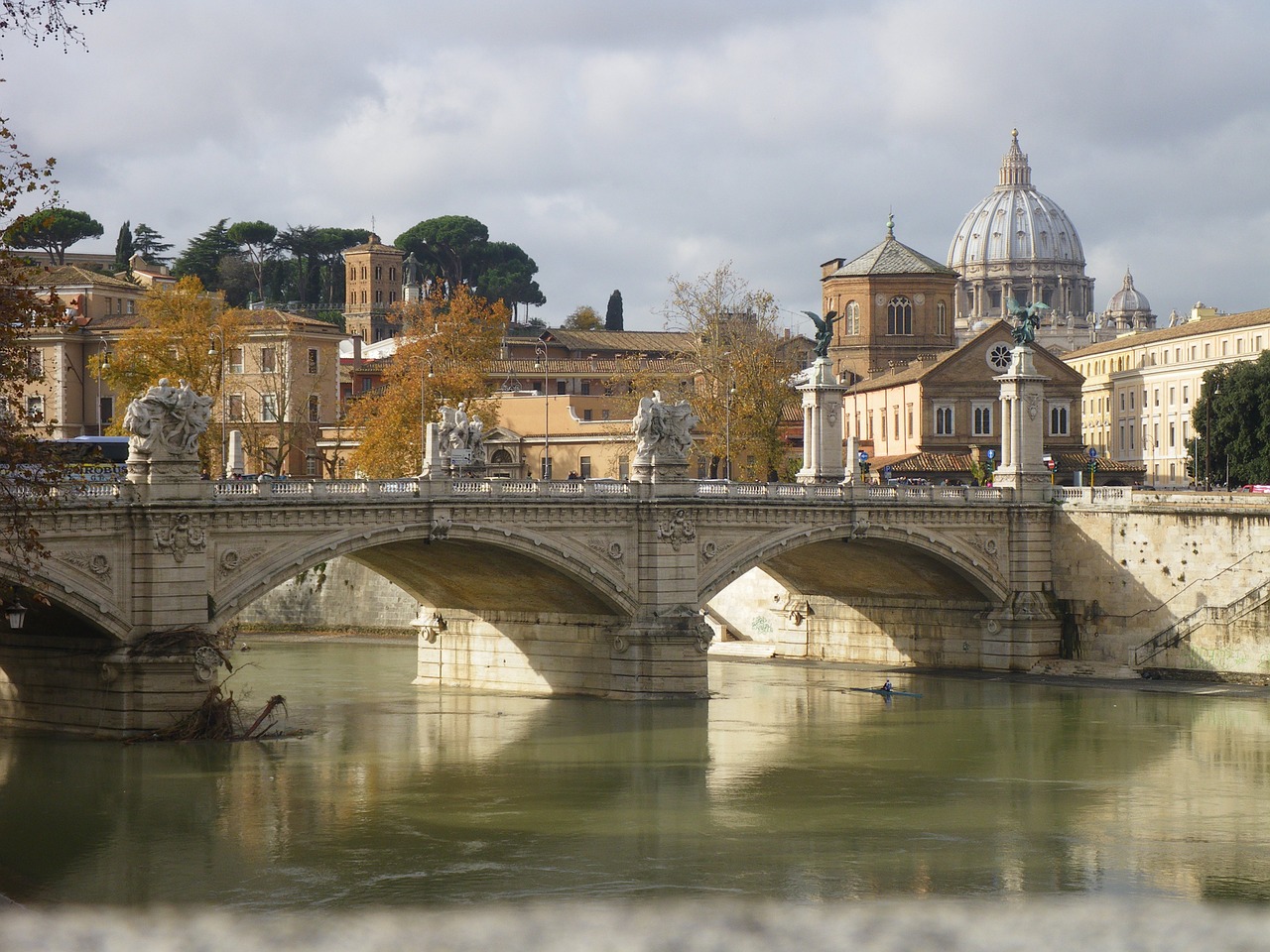
Historical Landmarks and Their Stories
Italy is an unparalleled repository of architectural marvels and archaeological wonders. The Colosseum’s awe-inspiring arches in Rome transport visitors to the days of Roman gladiators. The Leaning Tower of Pisa stands as both an engineering curiosity and a symbol of civic pride. The haunting ruins of Pompeii offer a window into daily life frozen in time by volcanic ash. Each site speaks not simply to historical events but to the resilience, innovation, and creativity of generations past. Walking the floors of these landmarks fosters a tangible connection to the grandeur and drama of Italy’s story.
More profound insights into Italy’s treasures can be found in resources like the Encyclopedia Britannica’s Italy overview, which covers the country’s complex history and celebrated sites.
Participating in Cultural Festivals
Throughout the calendar, Italy erupts in vibrant celebration. Local festivals are not just events; they are essential expressions of regional character. The iconic Venice Carnival dazzles attendees with elaborate masks and costumes. In Siena, the Palio horse race transforms the city’s ancient square into an exhilarating stage of competition and pageantry. Smaller towns like Spello charm visitors during the Infiorata flower festival, where intricate flower carpets line medieval streets. Joining these festivities provides front-row access to centuries-old rituals, warm hospitality, and authentic social bonds.
Visiting Local Markets
Italy’s bustling markets blend social gathering with culinary adventure. The Mercato Centrale in Florence is a feast for the senses, brimming with artisanal breads, cheeses, and produce. In Palermo, the lively Ballarò Market mixes the flavors of Sicily with street-theater energy, inviting visitors to taste local specialties and converse with passionate vendors. These markets are ideal for picking up gifts, enjoying spontaneous meals, and discovering daily life through food traditions.

Engaging in Cooking Classes
Cooking alongside Italians offers the opportunity to absorb generations of culinary wisdom. From kneading dough for fresh pasta to perfecting pesto with a mortar and pestle, each lesson reveals not just technique but cherished family secrets. Organizations such as Cesarine connect travelers directly with local home cooks, providing invaluable access to authentic, hands-on learning experiences right inside family kitchens.
Wine Tours and Tastings
Italy’s rolling vineyards and historic wineries are destinations unto themselves. Regions such as Chianti in Tuscany or the fog-shrouded hills of Barolo in Piedmont showcase the craft of winemaking through guided tours and tastings. Engage with producers, stroll among the vines, and sample vintages that reflect the climate, soil, and talent of Italian growers. These visits foster a genuine appreciation for the history and artistry poured into every bottle of wine.
Conclusion
Traveling through Italy offers an immersive entry into a world where history, culture, and food blend seamlessly. Every meal, landmark, and festival reveals a layer of Italian life that is passionately preserved and joyfully shared with visitors. By exploring beyond the obvious and participating in local traditions, travelers form a connection to Italy that endures long after the journey ends.




Aston Martin’s First Road Bike Is Here, And Only 300 People Will Own One

Krispy Kreme Just Dropped An Apple Cider Donut & A $5 Deal For Football Season

HUSH Pro Clipper: The Cordless Upgrade Your Head-Shaving Routine Needs

TAG Heuer’s Limited-Edition Monza Is A Tribute To Niki Lauda’s Title Run

Life Time Is Turning Your Gym Into A Social Scene With LT Social

American Airlines To Bring Back Seatback Screens, More Premium Seating

McLaren Finished Its Founder’s Unfinished Supercar Dream, The McL 6GT

Ford Mustang Dark Horse SC Convertible: 795 Horsepower Never Sounded So Good!

Gordon Murray’s S1 V12 Manual Supercar Is Basically A Modern McLaren F1

Ali G Goes To America To Reclaim His Glory In New “Who Iz I?” Trailer

Watch The Fast And Furious Trailer For ‘Hobbs & Shaw’

A Dance-Off For The Ages Broke Out At Monday Night’s 76ers Game

Netflix Drops ‘Black Mirror: Bandersnatch’ Trailer Ahead Of Release Tomorrow

Former NASA Engineer Gets Revenge On Package Thief With Glitter Bomb

Recent Comments